

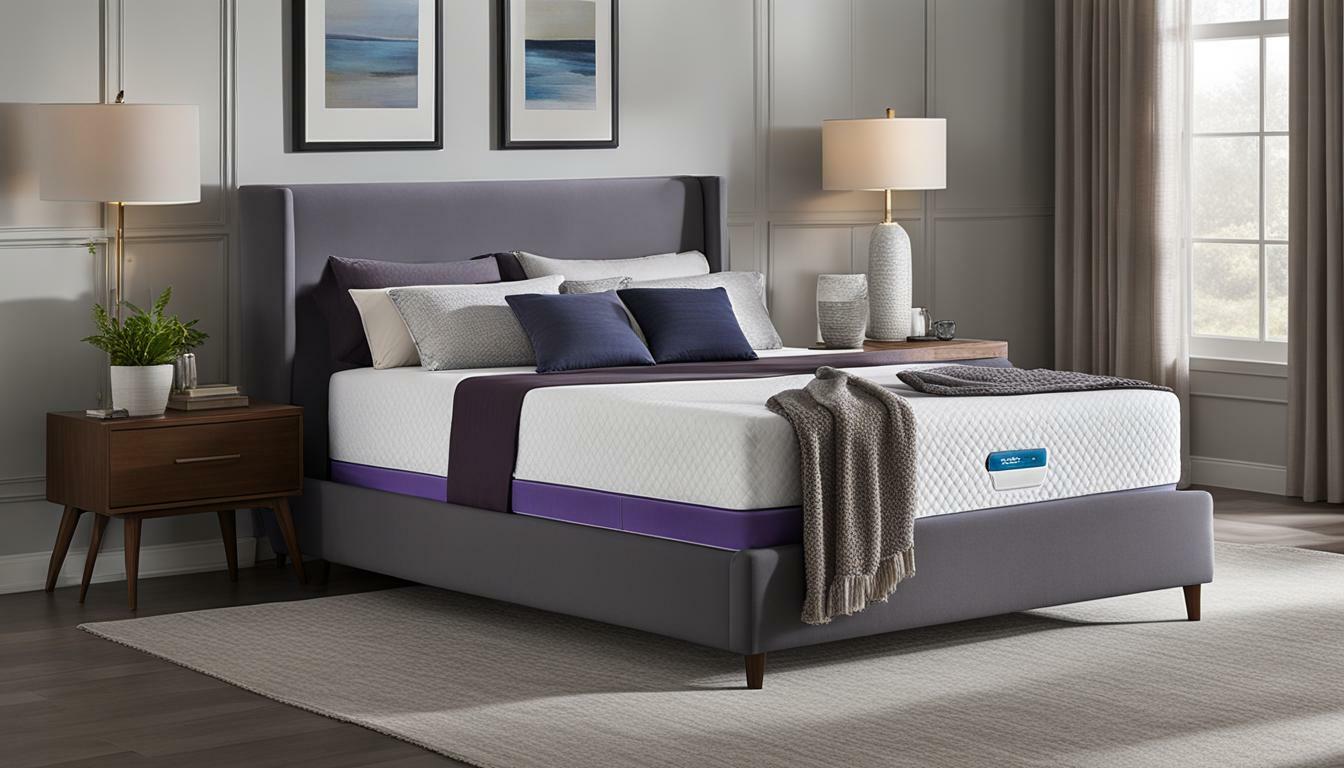
Memory foam mattresses offer a luxurious sleep experience, but it’s important to understand the pros and cons before making a purchasing decision. These mattresses are highly popular due to their ability to provide excellent comfort and support. They have the unique feature of distributing body weight evenly and promoting proper spinal alignment, which can help alleviate chronic back and neck pain. In addition, memory foam mattresses have been found to have a positive effect on respiratory problems, making them a preferred choice for those with sleep-related breathing issues.
One of the major advantages of memory foam mattresses is their hypoallergenic nature. They are resistant to dust mites, mold, and other allergens, making them ideal for individuals with allergies or asthma. Another benefit is the minimal noise they produce, allowing for a quiet and uninterrupted sleep. Furthermore, memory foam mattresses require little maintenance, making them a convenient option for busy individuals.
However, it’s important to consider some potential drawbacks before purchasing a memory foam mattress. These mattresses can be heavy, making them difficult to move or rotate. They are also known for retaining heat, which can be uncomfortable for those who tend to sleep hot. In warmer climates, memory foam mattresses may feel softer than expected, while in colder climates, they may feel firmer. Additionally, some individuals may experience an initial odor when the mattress is new, although it usually dissipates over time.
It’s worth noting that the quality of memory foam mattresses can vary greatly. It’s crucial to choose a reputable and trustworthy brand to ensure durability and longevity. Furthermore, memory foam mattresses may not provide adequate support for everyone. Individuals with specific medical conditions or those who require extra firmness or support should consult with a healthcare professional or sleep specialist before making a purchase.
Key Takeaways:
- Memory foam mattresses offer excellent comfort and support, distributing body weight evenly and promoting spinal alignment.
- They can help alleviate chronic back and neck pain and have a positive effect on respiratory problems.
- Memory foam mattresses are hypoallergenic, quiet, and low maintenance, making them suitable for individuals with allergies or asthma.
- However, they can be heavy, retain heat, and may feel softer or firmer depending on the climate.
- It’s important to choose a reputable brand and consider individual needs when selecting a memory foam mattress.
The Benefits of Memory Foam Mattresses
Memory foam mattresses have gained popularity due to their exceptional comfort and unique abilities to distribute body weight and support the spine. These mattresses are designed using a viscoelastic material that conforms to the body’s shape, providing personalized support and relieving pressure points. This can be especially beneficial for those with chronic back or neck pain.
One of the significant advantages of memory foam mattresses is their ability to reduce motion transfer. This means that if you share your bed with a partner, their movements are less likely to disturb your sleep. It’s an ideal choice for light sleepers or those who tend to wake easily.
Furthermore, memory foam mattresses are hypoallergenic, making them an excellent option for individuals with allergies or asthma. These mattresses are resistant to dust mites and mold, which can be common triggers for allergies. Additionally, memory foam mattresses are typically quieter compared to traditional spring mattresses, as they don’t have any moving parts that can squeak or creak.
Improved Blood Circulation and Enhanced Sleep Quality
Memory foam mattresses offer benefits beyond just comfort. The material used in these mattresses can promote better blood circulation by reducing pressure on the body’s pressure points. This can be particularly advantageous for individuals who spend long hours in bed, such as those with limited mobility or those recovering from surgery.
With its ability to contour to the body, memory foam mattresses help align the spine and provide optimal support. This can contribute to improved sleep quality, as a well-supported spine promotes proper sleep posture, reducing the likelihood of waking up with aches and pains.
- Exceptional comfort and personalized support
- Reduced motion transfer for undisturbed sleep
- Hypoallergenic properties, ideal for allergy sufferers
- Improved blood circulation and enhanced sleep quality
While memory foam mattresses have numerous benefits, it’s important to note that they are not without drawbacks. The following section will explore the potential drawbacks and factors to consider when selecting a memory foam mattress.
| Pros | Cons |
|---|---|
| Exceptional comfort | Can retain heat |
| Distributed body weight | Heavier compared to other mattresses |
| Supports the spine | May be too soft in hot climates |
| Reduces pressure points | May be too firm in cold climates |
| Hypoallergenic and low maintenance | Initial odor possible |
As we explore the drawbacks and considerations, it’s important to keep in mind that not all memory foam mattresses are created equal. Quality and features may vary between brands and models, so thorough research and testing are essential when making a purchase.
The Drawbacks of Memory Foam Mattresses
While memory foam mattresses offer numerous benefits, there are a few drawbacks to consider. It is important to weigh these disadvantages against the advantages before making a decision.
One downside of memory foam mattresses is their weight. Due to their dense composition, memory foam mattresses can be heavier than traditional mattresses. This can make them difficult to move or rotate, which may be a concern for individuals who like to change the position of their mattress frequently.
Another potential drawback is the heat retention of memory foam mattresses. The dense foam material can trap heat, leading to a warmer sleeping surface. This can be uncomfortable for individuals who naturally sleep hot or live in warmer climates. However, it’s worth noting that many memory foam mattresses now incorporate cooling technologies to combat this issue.
In addition, memory foam mattresses can vary in quality. Lower-quality memory foam mattresses may not provide adequate support for some individuals, leading to discomfort or pain. It is important to research and choose a reputable memory foam mattress brand that offers the desired level of support and durability.
| Drawbacks of Memory Foam Mattresses |
|---|
| Heavy weight |
| Heat retention |
| Varying quality |
It’s essential to consider these drawbacks alongside the benefits of memory foam mattresses. By understanding the potential limitations, individuals can make an informed decision when choosing a memory foam mattress that best suits their needs and preferences.
- Memory foam mattresses have a few drawbacks to consider.
- They can be heavy and challenging to move or rotate.
- Memory foam mattresses may retain heat, which can be uncomfortable for some sleepers.
- The quality of memory foam mattresses can vary, so it’s important to choose a reputable brand.
- Considering the drawbacks alongside the benefits will help individuals make an informed decision.
Factors to Consider When Choosing a Memory Foam Mattress
Choosing the right memory foam mattress involves considering various factors that can significantly impact your sleep quality. These mattresses provide exceptional support and conform to your body’s shape, but not all memory foam mattresses are created equal. To ensure you make an informed decision, here are some important factors to keep in mind:
1. Density and Firmness
One of the key considerations when choosing a memory foam mattress is the density and firmness level. Higher density mattresses offer better durability and support, while lower density options tend to be softer. Assess your personal preference and desired level of comfort to determine the ideal density and firmness for you.
2. Thickness and Layers
The thickness and layer composition of a memory foam mattress can affect its overall feel and performance. Thicker mattresses, typically around 10 to 14 inches, provide more cushioning and deep contouring, while thinner options may offer a firmer surface. Pay attention to the number and arrangement of foam layers to find a mattress that suits your needs.
3. Motion Isolation
If you share your bed with a partner or are easily disturbed by movements during sleep, consider a memory foam mattress with excellent motion isolation. This feature ensures that any movement on one side of the bed doesn’t transfer to the other side, allowing for undisturbed rest throughout the night.
4. Heat Regulation
Memory foam mattresses are known for their heat retention properties, which can lead to uncomfortable night sweats. Look for mattresses with advanced cooling technologies such as gel-infused foam or open-cell construction, which promote better air circulation and regulate temperature for a cooler sleep experience.
5. Warranty and Return Policy
Before making a final decision, review the warranty and return policy of the memory foam mattress you’re considering. A reliable manufacturer should offer a substantial warranty period and a reasonable return policy to ensure your satisfaction with the product. This provides you with peace of mind and protection against potential manufacturing defects.
| Factors to Consider | Details |
|---|---|
| Density and Firmness | Choose the density and firmness level that suits your preference and comfort needs. |
| Thickness and Layers | Consider the mattress thickness and layer composition for optimal comfort and support. |
| Motion Isolation | Ensure the mattress has excellent motion isolation to prevent disturbing your partner’s sleep. |
| Heat Regulation | Look for mattresses with cooling technologies to regulate temperature and prevent overheating. |
| Warranty and Return Policy | Review the warranty and return policy to ensure satisfaction and protection against defects. |
By considering these important factors, you can confidently choose a memory foam mattress that provides the comfort, support, and sleep quality you desire. Take the time to research different brands and models, read customer reviews, and test mattresses whenever possible to find the perfect match for your needs.
Memory foam mattresses can provide superior comfort and support, but it’s crucial to weigh their pros and cons and choose the right one for your individual needs. These mattresses have gained popularity due to their ability to distribute body weight evenly, relieve pressure points, and support the spine during sleep. This can result in reduced chronic back and neck pain, making them a preferred choice for individuals with such conditions.
Furthermore, memory foam mattresses are known for their hypoallergenic properties. They resist dust mites and mold, making them a suitable option for those with respiratory problems or allergies. In addition, they are quiet and require minimal maintenance, eliminating the need for constant flipping or rotating like traditional mattresses.
However, it’s important to consider the potential drawbacks of memory foam mattresses. Firstly, they can be quite heavy, which can make moving or flipping them challenging. Additionally, memory foam has a reputation for retaining heat, which may not be ideal for sleepers who tend to get hot during the night. In warmer climates, the mattress may feel softer than expected, while in colder climates, it might feel harder. Some individuals may also experience an initial odor due to off-gassing, although this typically dissipates over time.
When purchasing a memory foam mattress, it’s crucial to consider factors such as density, thickness, and quality of the foam. These factors can significantly impact the mattress’s overall durability and ability to provide adequate support. Additionally, individuals should take into account their sleeping preferences, body weight, and any specific health concerns while selecting the right memory foam mattress that suits their needs.
In conclusion, memory foam mattresses offer a range of benefits, including superior comfort, pressure point relief, and hypoallergenic properties. However, potential drawbacks such as heat retention and varying firmness levels should be carefully considered before making a purchase. By thoroughly researching and comparing different memory foam mattress options, individuals can make informed decisions to ensure a restful and comfortable sleep experience.
FAQ
Q: What are the benefits of memory foam mattresses?
A: Memory foam mattresses are popular for their comfort and ability to distribute body weight and support the spine. They can also reduce chronic back and neck pain and have a positive effect on respiratory problems. Additionally, memory foam mattresses are hypoallergenic, quiet, and low maintenance.
Q: What are the drawbacks of memory foam mattresses?
A: While memory foam mattresses offer numerous benefits, there are some potential drawbacks. They can be heavy and retain heat, which may not be ideal in hot climates. In colder climates, they may be harder than expected. Initial odor is also a common complaint among users. Furthermore, memory foam mattresses can vary in quality and may not provide adequate support for certain individuals.
Q: What should I consider when choosing a memory foam mattress?
A: When selecting a memory foam mattress, it is important to consider factors such as the thickness and density of the foam, the firmness level, and the overall quality and durability of the mattress. Additionally, you should take into account your own sleep preferences and any specific needs or conditions you may have.

