 Home
Home
Simple Styling Tricks to Make Any Room Feel Cozier
I used to think that making a space feel lived-in meant spending a weekend scouring overpriced boutiques for “curated” ceramic vases and linen throws that cost more than my monthly grocery bill. I’d look at those perfectly staged living rooms on social media and feel like I was failing at adulthood because my apartment didn’t look like a high-end showroom. But here’s the truth: most of that advice is just expensive noise. You don’t need a massive budget or a professional interior designer to figure out how to make your home cozy; you just need to stop trying to replicate a catalog and start focusing on how a room actually feels when you’re finally off the clock.
I’m not here to sell you on a lifestyle overhaul or a shopping spree. My goal is to give you the practical, low-effort steps to transform your space into a functional sanctuary without wasting your time or your paycheck. We’re going to talk about lighting, textures, and small, smart adjustments that actually move the needle. I’ll show you how to strip away the intimidation and get straight to the useful basics so you can stop stressing about your decor and get back to actually enjoying your home.
Table of Contents
Mastering Warm Lighting for Living Rooms on a Budget
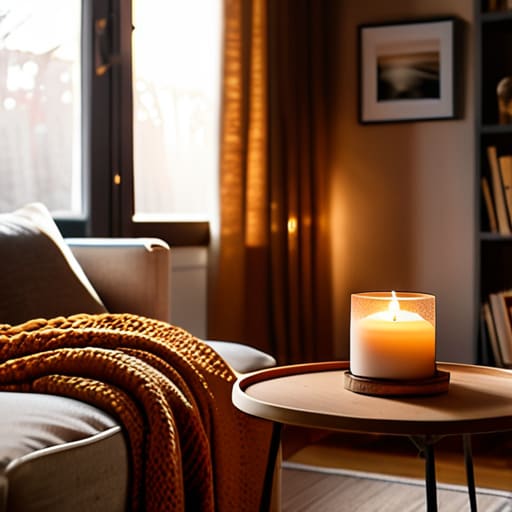
The biggest mistake I see people make is relying entirely on that single, harsh overhead light. It’s the quickest way to kill a mood and make a perfectly good room feel like a sterile doctor’s office. If you want to actually start creating a hygge atmosphere, you need to think in layers. Instead of one big light, aim for three or four smaller sources scattered throughout the room.
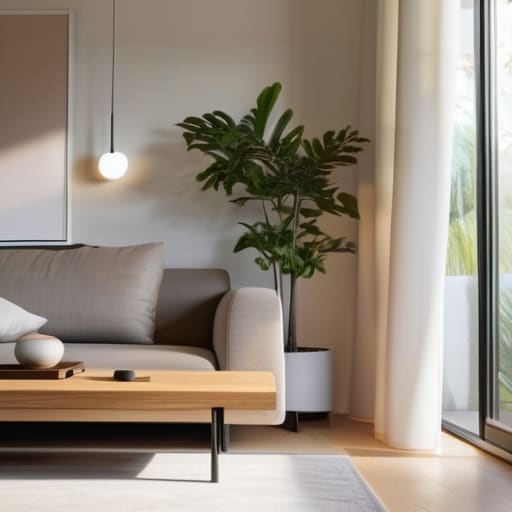
I’m a big fan of the “rule of three” when it comes to lamps. Grab a cheap floor lamp for a corner, a small task lamp for a side table, and maybe a string of Edison bulbs or some battery-operated tea lights for the bookshelf. The goal is to use warm lighting for living rooms that sits at eye level or below, rather than beaming down from the ceiling. It softens the edges of the room and makes everything feel a bit more intentional. You don’t need to drop hundreds on designer fixtures; even a few thrifted lamps with warm-toned LED bulbs will completely transform the vibe of your space without breaking the bank.
Simple Textile Layering Techniques for Instant Comfort
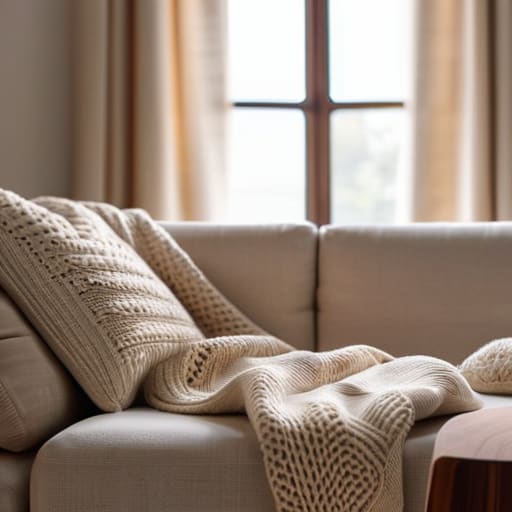
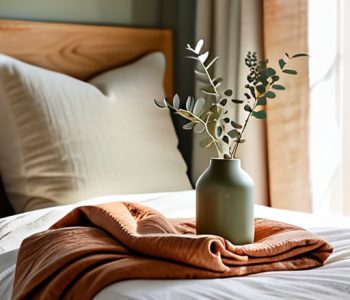
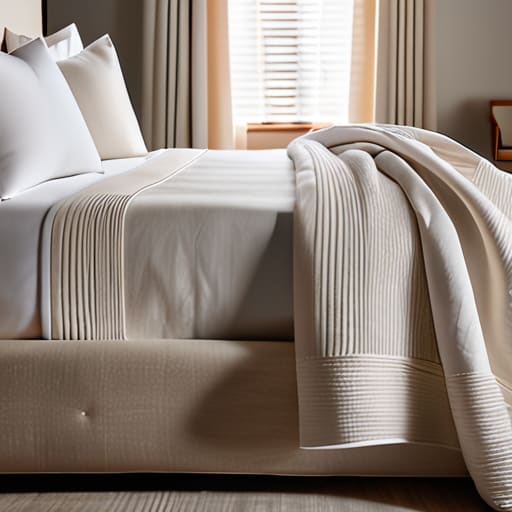
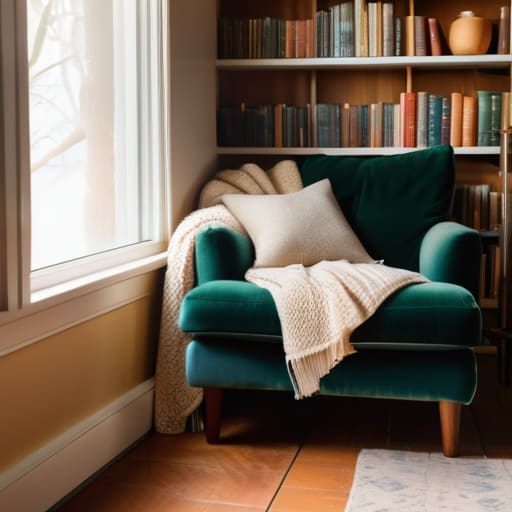
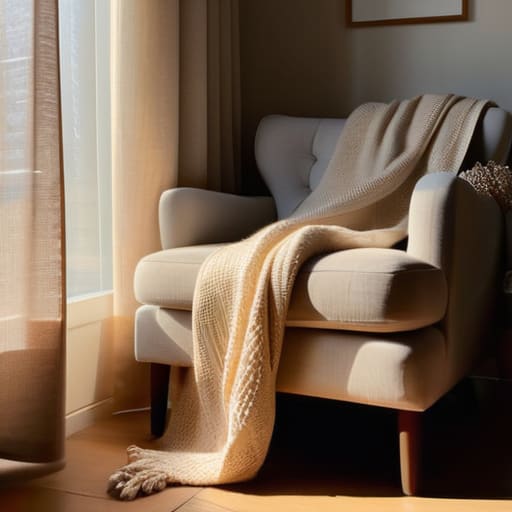
If lighting is the mood-setter, textiles are the soul of the room. Most people make the mistake of thinking they need to buy a whole new furniture set to change the vibe, but that’s just a waste of money and energy. Instead, I rely on textile layering techniques to add depth without the clutter. Start with your largest surface—usually the sofa or your bed—and layer a chunky knit throw over a smoother cotton base. It creates a visual contrast that makes the space look intentional rather than just “thrown together.”
Don’t overlook the floor, either. If you have hardwood or tile that feels a bit cold, layering a smaller, high-texture rug (think sheepskin or jute) over a larger, neutral one can work wonders. It’s one of those simple sensory home decor tips that actually changes how the room feels under your feet. You aren’t just decorating; you’re building a buffer between yourself and the sterile edges of the world. It’s about adding weight and warmth so you can actually sink into your space and relax.
Small tweaks that actually change the vibe
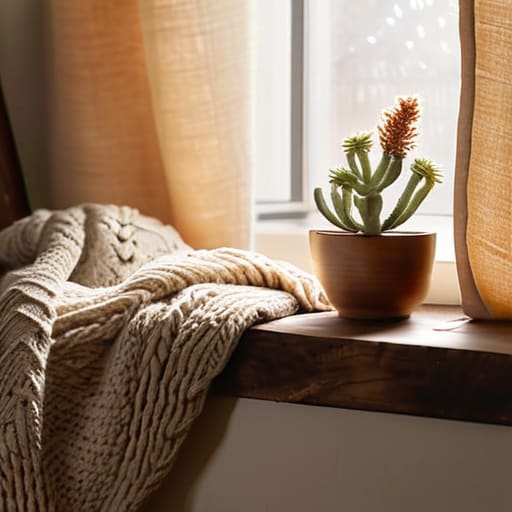
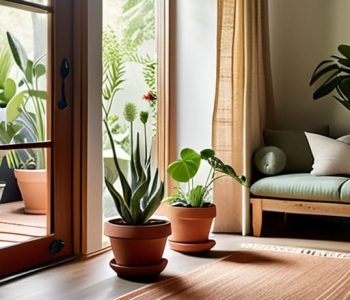
- Bring the outside in without the maintenance headache. A few low-light plants like a Snake Plant or a Pothos add life and texture to a room, and they’re way harder to kill than the fancy stuff you see in magazines.
- Scent is a shortcut to comfort. Skip the artificial aerosol sprays and grab a soy candle or an essential oil diffuser. I usually go for something woody or amber—it makes the apartment feel grounded rather than clinical.
- Clear the visual clutter. You don’t need to deep-clean every corner, but if your coffee table is covered in mail and random charging cables, you’ll never feel relaxed. Clear the surfaces, tuck the tech away, and let the room breathe.
- Create “zones” for different moods. If you’re working from a desk in your living room, try to physically or visually separate that space from your relaxation area. Even a small rug or a different lamp can signal to your brain that it’s time to clock out.
- Don’t ignore the walls. A room with nothing but bare, white walls feels like a temporary rental or a doctor’s office. You don’t need expensive art; even a few framed prints or a simple wooden shelf can add the warmth a space needs to feel permanent.
The bottom line for a cozier home
Stop relying on the “big light”—layering small, warm lamps and candles does more for your mood than any expensive piece of furniture ever could.
You don’t need a designer budget to fix a cold room; just lean into textures like chunky knits and soft throws to add immediate depth and warmth.
Focus on small, intentional changes rather than a total overhaul so you can spend less time decorating and more time actually enjoying your space.
The Cozy Philosophy
“Cozy isn’t about buying a showroom catalog; it’s about stripping away the sterile edges of a room and replacing them with things that actually make you want to sit down and stay a while.”
Julian Reese Miller
Making it Yours
At the end of the day, making a space feel cozy isn’t about buying every single item you see on a home decor feed. It’s about the small, intentional shifts we’ve talked about—swapping out that harsh overhead light for something warmer, layering a few soft textures on your couch, and actually using the things you own. You don’t need a complete renovation or a massive credit card bill to change the vibe of your apartment. If you focus on warm lighting and tactile comfort, you’ve already done eighty percent of the heavy lifting. It’s about creating an environment that works for you, not one that requires constant maintenance or perfection.
My best advice? Don’t try to do everything this weekend. Pick one corner, one lamp, or one blanket and start there. A home should be a place where you can actually decompress and stop performing for the rest of the world. You deserve a space that feels like a sanctuary, not a showroom. Once you get the basics down, the rest will fall into place naturally. Now, go grab a coffee, put on some low music, and actually enjoy the space you’ve built. You’ve earned it.
Frequently Asked Questions
I love the idea of layering textiles, but how do I do that without my living room looking like a cluttered mess?
That’s a fair concern. The line between “cozy” and “cluttered” is thin. My rule of thumb? Stick to a tight color palette. If your throws and pillows all share a common thread—like earthy tones or similar textures—they’ll look intentional rather than accidental. Also, watch your scale. Don’t pile five massive blankets on a small sofa; instead, layer one chunky knit over a smooth cotton base. Keep it purposeful, not just piled on.
What are some low-effort ways to bring some life into a room if I don't have a green thumb for plants?
Look, if you’re like me and tend to kill anything with roots, don’t force the plant thing. It’s just more clutter and guilt. Instead, go for high-quality dried botanicals or even a single, well-placed branch in a glass vase. It adds that organic texture without the maintenance. You can also lean into “living” elements like a small tabletop water fountain or even just rotating your art. It brings movement into the room without the watering schedule.
Is there a way to make a small apartment feel cozy without it feeling cramped or overwhelming?
The trick is to focus on “visual breathing room.” When you’re in a tight space, more stuff usually means more stress, not more cozy. Instead of piling on bulky furniture, use vertical space or slim, multi-functional pieces. I like to stick to a cohesive color palette—think soft neutrals—to keep the eyes moving without hitting a “wall” of clutter. It’s about creating pockets of warmth rather than filling every square inch.