 Home
Home
Proactive Steps to Prevent Mold Growth in Your Home
I still remember the first time I walked into my old city apartment and was hit by that heavy, damp, unmistakable scent of decay coming from behind the bathroom tiles. I spent a week thinking I’d need to hire a professional remediation crew and empty my savings just to fix it, but that’s the big lie the industry tells you. You don’t need a massive budget or a specialized degree to master how to prevent mold from moving into your living space; you just need to understand how your home breathes.
I’m not here to sell you on expensive, chemical-heavy sprays that do more harm than good. Instead, I’m going to give you the exact, practical steps I’ve learned from years of fixing my own space on a budget. We’re going to focus on simple habits, airflow management, and a few low-cost tools that actually work. My goal is to help you get your home back to being a sanctuary, not a science project, so you can stop worrying about spores and get back to your actual life.
Table of Contents
Spotting the Signs of Mold Growth Before Its Too Late
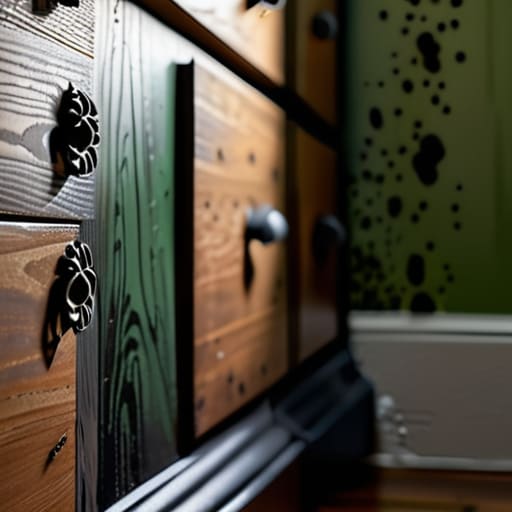
You don’t need a degree in microbiology to know something is off in your apartment. Usually, your nose will tell you before your eyes do. If you walk into a room and catch that distinct, musty, or earthy scent, don’t just shrug it off as “old building smell.” That’s often the first real indicator of signs of mold growth hiding behind a dresser or under a sink. I’ve learned the hard way that ignoring that smell just makes the cleanup more expensive later.
Keep an eye on your walls and ceilings, too. Look for fuzzy patches, discoloration, or even tiny black dots that look like someone flicked ink onto the paint. Pay close attention to your windows; if you notice constant water droplets pooling on the glass or streaks running down the frame, you’re dealing with a moisture problem. This is often a symptom of poor ventilation or temperature swings. Catching these small visual cues early is the best way to keep a minor nuisance from turning into a full-blown renovation project.
Your No Nonsense Mold Prevention Checklist for Busy People
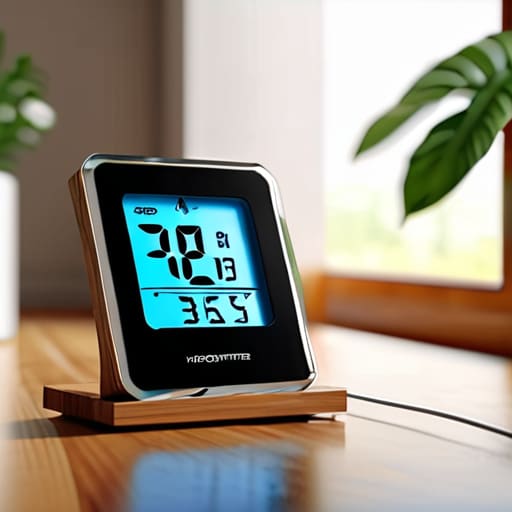
Look, I don’t have time for a twenty-step ritual every morning, and neither do you. Instead, I treat mold prevention like a project management task: identify the high-risk zones and mitigate them before they escalate. Your first priority should be controlling indoor humidity levels. If your place feels a bit like a tropical rainforest, grab a hygrometer—they’re cheap and easy to use. Keeping that humidity below 50% is the single most effective move you can make to keep spores at bay.
Next, focus on your high-moisture areas. For me, that means a strict routine of bathroom moisture control. After you shower, crack a window or leave the exhaust fan running for at least twenty minutes. It sounds small, but it’s the difference between a dry bathroom and one that smells like a damp basement. Also, keep an eye on your glass; preventing condensation on windows is a huge win, especially in older apartments where drafts are common. If you see water pooling on the sills, it’s time to act. Stick to these basics, and you’ll spend way less time scrubbing and way more time actually enjoying your space.
Five Low-Effort Moves to Keep Your Space Dry and Mold-Free
- Control the humidity without breaking the bank. Grab a cheap hygrometer from Amazon to track your air quality; if your apartment feels like a sauna, run a dehumidifier or crack a window to keep that moisture from settling into your walls.
- Master the art of the quick vent. Whenever you’re cooking something steamy or taking a hot shower, actually use the exhaust fan or open a window for ten minutes. It’s a small habit that prevents condensation from turning into a breeding ground.
- Give your furniture some breathing room. I learned this the hard way when moving into my first city apartment: don’t push your dresser or sofa flush against an exterior wall. Leaving an inch or two of space allows air to circulate so moisture doesn’t get trapped behind the wood.
- Fix those tiny leaks immediately. That slow drip under the sink might seem like a minor annoyance you can deal with next weekend, but it’s basically an open invitation for mold. Grab a wrench, tighten the connection, or call the landlord today so it doesn’t become a massive headache later.
- Manage your laundry moisture. If you’re air-drying clothes indoors, make sure you aren’t doing it in a cramped, unventilated corner. Spread them out and keep the airflow moving so you aren’t essentially turning your living room into a swamp.
The Bottom Line on Keeping Your Space Mold-Free
Stay ahead of the game by catching small issues early—if you see a damp spot or smell something off, don’t ignore it; address it immediately before it becomes a project.
Focus on airflow and moisture control; keeping your air moving and your humidity down is the most effective way to stop mold from even getting a foothold.
Don’t overcomplicate it; you don’t need expensive gadgets, just a few consistent habits like checking your seals and managing your ventilation to keep your home healthy.
## A Simple Mindset Shift
“Mold doesn’t need a massive renovation to stop; it just needs you to manage the moisture. Think of it like maintenance on an old synth—if you control the environment, you control the outcome.”
Julian Reese Miller
Keeping the Spores at Bay
At the end of the day, preventing mold isn’t about running a high-tech laboratory in your bathroom; it’s about managing moisture and staying observant. We’ve covered the essentials: keeping your ventilation flowing, tackling leaks the second you see them, and maintaining a regular rhythm of checking those high-risk spots like under the sink or behind the washer. If you stick to these simple habits, you aren’t just protecting your drywall and your furniture—you’re protecting your air quality and your peace of mind. It’s much easier to spend ten minutes a week being proactive than it is to spend ten days dealing with a remediation crew.
I know that adding “home maintenance” to your mental load can feel like just another chore on an endless list, but I promise it’s worth the effort. Taking control of these small, manageable tasks is how you stop your home from becoming a source of stress. You don’t need to be a professional contractor to maintain a healthy living space; you just need to be consistent and intentional. Do the work now, keep your space dry, and then get back to your actual life. You’ve got better things to do than worry about spores.
Frequently Asked Questions
I already have a bit of a musty smell in my closet; does that mean I've already got a mold problem?
Honestly? It’s a warning sign. That musty smell is usually the first thing to show up before you actually see any fuzzy patches. It often means moisture is trapped somewhere—likely behind some clothes or in a damp corner. Don’t panic, but don’t ignore it either. Grab a flashlight, check the walls for dampness, and see if your airflow is blocked. Catching it now saves you a massive headache (and a bigger bill) later.
Are there any specific, cheap gadgets or tools I should keep on hand to keep humidity in check?
You don’t need to drop a fortune on smart home ecosystems to manage moisture. I always keep a cheap digital hygrometer—usually under fifteen bucks—on my desk; it’s my early warning system. For the actual heavy lifting, a basic dehumidifier is a lifesaver, but if you’re on a tight budget, grab some moisture absorber tubs for closets. They’re low-maintenance and keep that damp, musty feeling at bay without breaking the bank.
If I'm renting, am I responsible for fixing the moisture issues or should I be calling my landlord immediately?
Look, here’s the deal: if you’re renting, the structural stuff—like a leaky roof or a broken HVAC system—is almost always the landlord’s problem. You shouldn’t be out there buying sealant or hiring plumbers. However, you are responsible for how you use the space. If the mold is caused by not using your bathroom fan or letting dishes sit for a week, that’s on you. Document everything, notify them in writing immediately, and keep it moving.