 Home
Home
Essential Tips for Keeping Your Houseplants Healthy and Green
I used to think that if I wanted to keep a fiddle leaf fig alive, I’d need to buy a dozen specialized sensors, a humidity monitor, and a degree in botany. I spent way too much money on “designer” potting mixes and fancy gadgets, only to watch my plants turn yellow and die anyway. It’s frustrating how the plant industry tries to make how to care for houseplants feel like some complex, high-stakes science experiment. Honestly, most of that extra gear is just expensive noise designed to make you feel like you aren’t doing enough.
I’m not here to sell you a lifestyle or a complicated ritual; I just want to help you keep your space green without it becoming a second job. I’ve spent years trial-and-erroring my way through apartment living, learning exactly what works and what’s just a waste of time. I’m going to give you the straightforward, essential steps you actually need to keep your greenery thriving. We’re going to strip away the fluff and focus on the practical basics so you can get your plants healthy and get back to your life.
Table of Contents
Mastering Indoor Plant Lighting Requirements for Busy People
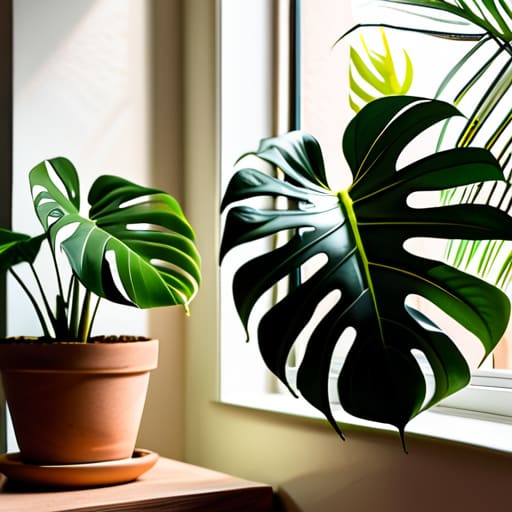
Most people think they need a sun-drenched solarium to keep greenery alive, but that’s just not true. The trick is understanding your apartment’s actual layout rather than fighting against it. I usually start by observing where the light actually hits at noon. If you’ve got a bright window facing south, you’re golden for sun-lovers; if you’re stuck in a dim corner, you just need to pick the right species. When you stop trying to force a cactus into a dark hallway, you’ve already won half the battle.
Don’t let the technical side scare you off—you don’t need to be a botanist to grasp indoor plant lighting requirements. Think of it as matching a plant’s energy level to your room’s vibe. If a plant looks leggy or stretched out, it’s basically screaming for more light. On the flip side, if the leaves are looking scorched or crispy, you’ve probably overdone it. Keep it simple: match the plant to the window, and you won’t spend your weekends playing doctor.
Finding the Best Soil for Houseplants on a Budget
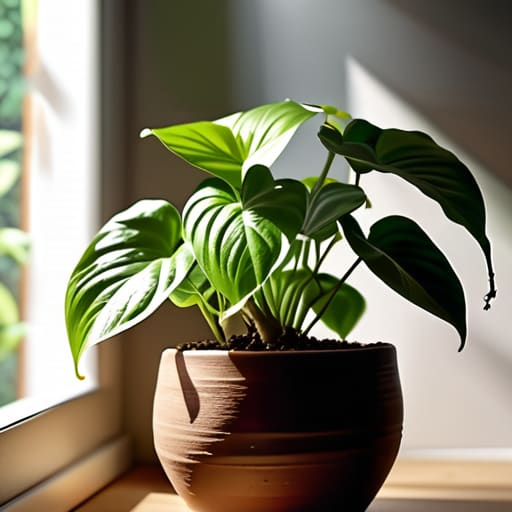
Look, you don’t need to spend fifty bucks on a “designer organic botanical blend” just to keep a pothos alive. Most of those high-end bags are just marketing fluff wrapped in pretty packaging. If you want to find the best soil for houseplants without draining your bank account, start with a basic, high-quality all-purpose potting mix. The trick isn’t buying the most expensive bag; it’s about improving what you already have.
I usually grab a standard bag of potting soil and then head to the garden center for a small bag of perlite or pumice. Mixing those two together is a game-changer. It adds that essential aeration that prevents your roots from sitting in a swamp, which is a common mistake when people first start out. If you’re working with something more sensitive, like a fern, you can toss in some coco coir to help retain moisture. It’s a cheap way to customize your mix so it actually works for your specific plant, rather than just settling for whatever is on sale at the grocery store.
5 Low-Effort Habits to Keep Your Greenery From Dying
- Stop watering on a schedule. I used to think “every Tuesday” was a rule, but plants don’t work like that. Stick your finger an inch into the soil; if it feels damp, walk away. If it’s dry, give it a drink. It takes five seconds and saves you from the most common killer: root rot.
- Group your plants together to create a little microclimate. It sounds technical, but it’s actually just a lazy person’s hack. Plants release moisture through their leaves, so clustering them together keeps the humidity up naturally, which means less worrying about your air being too dry.
- Don’t ignore the dust on the leaves. If your plant’s leaves are covered in a layer of gray fuzz, they can’t “breathe” or soak up light properly. Every once in a while, just take a damp cloth and give them a quick wipe down. It’s basically a spa day for them, and it keeps them efficient.
- Get used to the “drainage rule.” Never, and I mean never, put a plant in a pot that doesn’t have a hole in the bottom. If you found a cool vintage ceramic pot at a thrift store that lacks drainage, use it as a “sleeve.” Keep the plant in its plastic nursery pot, then drop that inside the pretty one. It makes repotting a breeze and prevents water from pooling at the bottom.
- Learn to read the “warning signs” before they become emergencies. Most plants will tell you they’re unhappy if you look closely. Yellowing leaves usually mean too much water, while drooping or crispy edges usually mean they’re thirsty. Catching these small signals early means you won’t have to spend your weekend performing emergency surgery on a dying fern.
The Cheat Sheet for Staying Alive
Stop guessing with the light—find out where your plant actually wants to sit, then leave it there so you don’t have to keep moving it around.
Don’t go broke at the garden center; a decent, well-draining bag of soil is usually all you need to get the job done right.
Keep it simple: check the soil with your finger once a week, water only when it’s actually dry, and don’t make it a whole production.
The Minimalist Approach to Greenery
“You don’t need a green thumb or a degree in botany to keep a plant alive; you just need to stop treating them like decor and start treating them like living things that occasionally need a little attention.”
Julian Reese Miller
Don't Let the Greenery Stress You Out
At the end of the day, keeping plants alive isn’t about being a botanical expert or spending your entire weekend hovering over a watering can. It’s really just about the basics we’ve talked about: getting the light right, picking a soil that actually breathes, and not overcomplicating the watering schedule. If you can manage a project timeline or follow a simple recipe, you can definitely handle a pothos or a snake plant. Just remember that consistency beats perfection every single time. If a leaf turns yellow or the soil feels off, don’t panic—just adjust and move on. You’ve got the tools and the logic to make this work without it becoming another item on your mounting to-do list.
I used to think that if I couldn’t make a plant thrive perfectly, I just wasn’t “good with nature,” but I’ve realized that’s total nonsense. Plants are living things, and sometimes they just have bad days, just like we do. The goal here isn’t to build a high-maintenance jungle that demands all your attention; it’s to create a little bit of life in your space that actually adds value to your home instead of draining your energy. So, grab a plant, find a decent sunny spot, and let it do its thing. You’re more capable than you think, and honestly, once you get the rhythm down, it’ll become second nature.
Frequently Asked Questions
How do I tell if I'm actually overwatering my plants versus just being too eager to help?
Look, I get it. You see a drooping leaf and your instinct is to grab the watering can. But more often than not, you’re actually drowning them. Stop guessing and use the finger test: stick your finger about an inch into the soil. If it feels damp, walk away. If it’s bone dry, go ahead and water. If the leaves look yellow and mushy, you’ve definitely overdone it. Trust the soil, not your anxiety.
Are there any specific plants that are basically impossible to kill if I have zero free time?
If you’re looking for plants that thrive on neglect, go for a Snake Plant or a ZZ Plant. Honestly, they’re the heavy lifters of the greenery world. You can practically forget they exist for a few weeks, and they’ll still look great. Pothos are another solid bet—they’ll wilt slightly to tell you they’re thirsty, which is a helpful nudge, but they’re incredibly forgiving. Just grab one, put it in a corner, and get back to your life.
Do I really need to buy fancy fertilizer, or can I just stick to the basics to keep them growing?
Look, you don’t need a chemistry degree or a collection of designer bottles to keep your plants happy. Most of those fancy, specialized fertilizers are just marketing fluff designed to drain your wallet. Stick to a basic, balanced liquid fertilizer once a month during the growing season. It’s efficient, it works, and it doesn’t require a massive setup. Just follow the dilution instructions on the label, feed them, and get back to your life.