 Food
Food
The Secret to Making Vegetables Taste Amazing
I used to think that knowing how to cook vegetables meant I needed a pantry full of exotic spices and a timer for every single ingredient. I spent way too many nights staring at a pile of wilted kale or a tray of mushy broccoli, feeling like I was failing a test I never signed up for. Honestly, the culinary world loves to make things way more complicated than they need to be, turning a simple side dish into a high-stakes project. But here’s the truth: learning how to cook vegetables shouldn’t feel like you’re studying for a chemistry exam or trying to follow a blueprint for a skyscraper.
I’m not here to give you a lecture on nutritional science or suggest you buy a $200 sous-vide machine just to eat some carrots. My goal is to strip away the noise and give you the actual mechanics of heat, salt, and timing. I’ll show you the most efficient, low-effort ways to make your greens taste good so you can stop stressing about dinner and get back to living. No fluff, no expensive gadgets—just practical steps that work.
Table of Contents
- Mastering the Best Vegetable Cooking Methods Without the Stress
- Quick Vegetable Side Dishes for Your Busiest Weeknights
- 5 Hacks to Stop Fearing Your Produce
- The Bottom Line: Eat Better, Waste Less Time
- The Philosophy of the Plate
- Get Out of the Kitchen and Back to Your Life
- Frequently Asked Questions
Mastering the Best Vegetable Cooking Methods Without the Stress
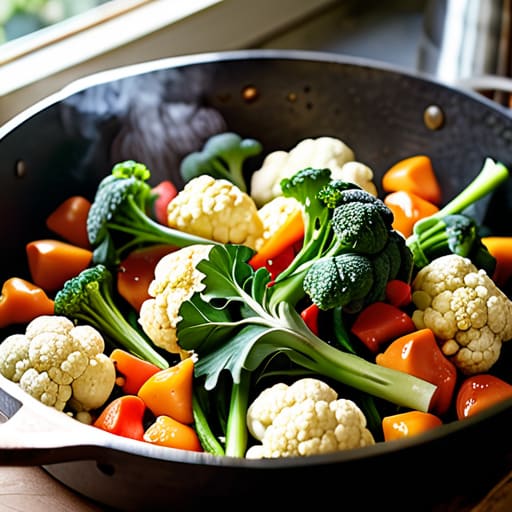
Look, you don’t need to master every culinary technique in a textbook to make a decent meal. For me, it usually boils down to a choice between speed and flavor. If you’re running low on time, steaming vs roasting vegetables is the ultimate decision point. Steaming is your best friend when you need something fast and light; it’s great for retaining nutrients in vegetables without much effort. Just a bit of water, a steamer basket, and ten minutes, and you’re done.
However, if you actually want your food to taste like something worth eating, go with the oven. Roasting is my go-to for when I want to set a timer and walk away. Tossing things like broccoli, carrots, or Brussels sprouts in olive oil and high heat creates that charred, caramelized edge that makes a meal feel substantial. The real secret to seasoning vegetables for flavor isn’t fancy spices—it’s just being aggressive with salt and pepper. Don’t be shy. A little salt goes a long way in turning a boring side into something you actually look forward to eating.
Quick Vegetable Side Dishes for Your Busiest Weeknights
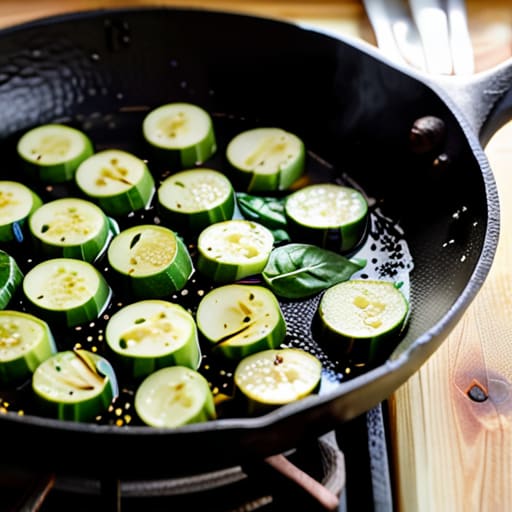
When your workday runs long and the last thing you want to do is stare at a complex recipe, you need a go-to strategy. I’ve found that the secret to quick vegetable side dishes isn’t about fancy techniques; it’s about choosing ingredients that cook as fast as you can find a clean plate. I usually lean toward thin-sliced zucchini or baby spinach. You can toss these into a hot pan with a splash of olive oil and some garlic for a meal that’s ready in under five minutes.
If you have a few extra minutes, I’m a big fan of the “one-pan toss.” Grab whatever is in your crisper drawer—broccoli florets, bell peppers, or snap peas—and throw them on a sheet pan. While there is a debate about steaming vs roasting vegetables, I personally prefer roasting when I want maximum flavor with minimal effort. A quick drizzle of oil and a heavy hand with some dried herbs is all you need for seasoning vegetables for flavor without needing a spice cabinet full of specialized ingredients. Just set it, forget it, and get back to your evening.
5 Hacks to Stop Fearing Your Produce
- Buy your veggies pre-chopped if you’re truly slammed. I know, it’s a little more expensive, but if it’s the difference between eating a bag of wilted spinach and actually cooking a decent meal, the convenience tax is worth it.
- Don’t be afraid of high heat. Most people undercook their vegetables because they’re scared of burning them, but a quick sear in a hot pan gives you that flavor you actually want without turning everything into mush.
- Salt your water like the sea. If you’re boiling or steaming, don’t skip the salt. It’s the easiest way to make a basic carrot taste like something you actually want to eat rather than just a chore.
- Keep a “rescue” stash of frozen veggies. Real talk: fresh produce goes bad fast when you have a busy week. Frozen peas or broccoli are just as good, they won’t rot in your crisper drawer, and they’re ready when you are.
- Use your multi-tool mindset—prep once, use twice. If you’re chopping onions for a stir-fry, chop an extra one and throw it in a container for tomorrow. Small efficiencies like that are how you actually reclaim your evening.
The Bottom Line: Eat Better, Waste Less Time
Stop aiming for culinary perfection; focus on getting the texture right and the seasoning decent so you can actually enjoy your meal.
Keep a few versatile staples—like a good olive oil, sea salt, and maybe some garlic powder—on hand to make any vegetable instantly edible.
Use the method that fits your schedule, whether it’s a quick steam for speed or a slow roast for flavor, rather than forcing a recipe that takes too long.
The Philosophy of the Plate
“Cooking vegetables isn’t about mastering some complex culinary technique; it’s just about using enough heat and a little seasoning so you can actually enjoy what you’re eating and get back to your life.”
Julian Reese Miller
Get Out of the Kitchen and Back to Your Life
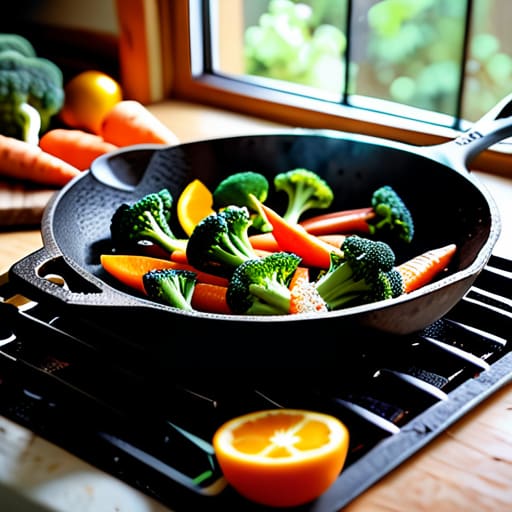
At the end of the day, cooking vegetables doesn’t need to be this grand, choreographed performance. Whether you’re roasting a tray of seasonal roots to save time later, or just tossing some greens into a pan for a quick hit of nutrition, the goal is the same: getting fed without the headache. You don’t need a culinary degree or a kitchen full of specialized gadgets to make something that actually tastes good. Just remember to season as you go, watch your heat, and don’t be afraid to fail a few times. A slightly charred broccoli floret isn’t a disaster; it’s just a lesson for next time.
My philosophy has always been that being capable is about finding the shortest, most effective path from “I’m hungry” to “that was delicious.” Once you realize that these methods are just tools in your kit, the intimidation factor disappears. Stop treating your meal prep like a high-stakes exam and start treating it like the simple maintenance it actually is. You’ve got the basics down now, so go ahead and try something new this week. Get your nutrients, keep your kitchen relatively clean, and most importantly, get back to living your life.
Frequently Asked Questions
How do I stop my vegetables from turning into mush every time I cook them?
The secret is simple: stop treating every vegetable like it needs the same amount of heat. If you’re boiling everything into submission, you’ve already lost. Start with high heat and shorter times. For greens or broccoli, a quick sauté or a high-heat roast is your best friend. Also, keep an eye on the clock—it’s better to pull them off the heat a minute too early than to end up with a plate of mush.
Is there a way to prep my veggies ahead of time so I'm not chopping everything right when I'm hungry?
Look, I get it. There is nothing worse than being “hangry” and staring down a pile of unpeeled carrots. The secret is batch prepping on a Sunday. Wash, chop, and dry your veggies, then toss them into airtight containers. For things like onions or peppers, keep them in glass jars so they stay crisp. Just a heads-up: don’t chop your tomatoes too early or they’ll get mushy. Prep the hard stuff, save your sanity.
What's the easiest way to season vegetables so they don't taste bland without using a ton of expensive spices?
Look, you don’t need a $50 spice rack to make things taste good. Most people overcomplicate this. Honestly? Salt, pepper, and a decent fat—like olive oil or even butter—do 90% of the heavy lifting. If you want to level up without spending a fortune, grab a lemon for acidity or some garlic powder. A little squeeze of citrus or a dash of garlic wakes everything up instantly so you can eat and get back to your life.