


Sleeping on your side offers numerous benefits for your health and quality of sleep. It is considered the most popular and beneficial sleep position, promoting healthy spinal alignment and reducing snoring, heartburn, and back pain. Side sleeping is recommended for pregnant women, people with acid reflux, back pain, snoring, sleep apnea, and older adults. During pregnancy, it is best to sleep on the left side to improve blood flow and prevent pressure on the liver.
- Side sleeping promotes healthy spinal alignment.
- It can reduce snoring, heartburn, and back pain.
- Pregnant women should sleep on their left side for improved blood flow.
- Choosing the right mattress and pillow is essential for proper spinal alignment.
- Sleeping on your back is beneficial for neck pain and nasal congestion, but not recommended for pregnant women, sleep apnea, back pain, GERD, or acid reflux.
The Benefits of Sleeping on Your Side
Side sleeping is widely regarded as the optimal sleep position due to its numerous health benefits. Not only does it promote healthy spinal alignment, but it also helps reduce snoring, heartburn, and back pain. It’s no wonder that side sleeping is recommended for various groups, including pregnant women, individuals with acid reflux, back pain, snoring, sleep apnea, and older adults.
One of the key advantages of side sleeping is improved spinal alignment. By sleeping on your side, you can help maintain the natural curvature of your spine, which can alleviate pressure on your back and neck. This can lead to reduced back pain and improved overall sleep quality.
Side sleeping also has significant benefits for pregnant women. Sleeping on the left side can improve blood flow to the fetus and prevent pressure on the liver. It is often recommended by healthcare professionals as the best sleep position during pregnancy. Additionally, side sleeping can help alleviate symptoms of acid reflux, snoring, and sleep apnea, making it an ideal choice for individuals with these conditions.
However, it’s important to note that side sleeping may come with its own challenges. Some individuals may experience shoulder soreness due to prolonged pressure on one side. Additionally, side sleeping can contribute to the development of facial wrinkles over time. To mitigate these issues, it’s crucial to choose the right mattress and pillow that provide adequate support and maintain proper spinal alignment. A good pillow can help alleviate shoulder soreness, while a supportive mattress can ensure optimal comfort during side sleeping.

- Side sleeping is widely regarded as the optimal sleep position due to its numerous health benefits.
- Benefits include improved spinal alignment, reduced snoring, heartburn, and back pain relief.
- Side sleeping is recommended for pregnant women, individuals with acid reflux, back pain, snoring, sleep apnea, and older adults.
- Choosing the right mattress and pillow is crucial for proper spinal alignment and minimizing shoulder soreness.
- While side sleeping offers many advantages, it’s important to address potential challenges, such as shoulder soreness and facial wrinkles.
In conclusion, side sleeping is not only a popular position but also one that offers significant benefits for overall sleep health. By understanding the advantages and considering individual needs, one can optimize their sleep position for a restful night’s sleep.
Tips for Side Sleeping
To maximize the benefits of side sleeping, follow these expert tips and tricks. Sleeping on your side can promote healthy spinal alignment and alleviate issues like snoring, heartburn, and back pain. However, it’s important to maintain proper posture and make a few adjustments for a comfortable and restful sleep.
1. Choose the right mattress and pillow: A medium-firm mattress is ideal for side sleepers as it offers both support and cushioning. Look for a pillow that provides adequate neck support and keeps your head aligned with your spine. Memory foam or contour pillows can help maintain proper alignment throughout the night.
2. Maintain proper spinal alignment: It’s important to keep your spine straight while sleeping on your side. Place a pillow between your knees to prevent your top leg from pulling your spine out of alignment. This helps reduce strain on the lower back and hips, promoting better sleep quality.
3. Prevent shoulder soreness: If you experience shoulder soreness while side sleeping, try using a pillow specifically designed for side sleepers. These pillows provide extra support and cushioning for the shoulder, reducing pressure points and discomfort.
4. Minimize snoring: Side sleeping can help reduce snoring, but if you still struggle with snoring, elevate your head slightly with an extra pillow or invest in an adjustable bed base that allows you to raise the head of your bed. This helps keep your airways open, reducing snoring and promoting uninterrupted sleep.

By following these expert tips, you can optimize your side sleeping position for a better night’s sleep. Remember to choose the right mattress and pillow, maintain proper spinal alignment, and take steps to minimize snoring. With these adjustments, you can enjoy the many benefits of side sleeping while ensuring comfort and support throughout the night.
| Benefits of Side Sleeping | Tips for Side Sleeping |
|---|---|
| – Improved spinal alignment | – Choose the right mattress and pillow |
| – Reduced snoring | – Maintain proper spinal alignment |
| – Heartburn relief | – Prevent shoulder soreness |
| – Back pain relief | – Minimize snoring |
Side Sleeping During Pregnancy
Side sleeping is especially beneficial for pregnant women, offering both comfort and health advantages. When sleeping on your side, particularly the left side, it can improve blood flow to the placenta, ensuring optimal oxygen and nutrient supply to the baby. Additionally, side sleeping helps prevent pressure on the liver, reducing the risk of swelling and other discomforts associated with pregnancy.
To maximize comfort while side sleeping during pregnancy, it’s essential to find the right support. Using a pregnancy pillow can provide additional cushioning and help maintain proper spinal alignment. These pillows are specially designed to support the belly and back, relieving pressure on the hips and pelvis. Experiment with different pillow placements to find the most comfortable position.
Another tip for side sleeping during pregnancy is to avoid lying flat on your back, especially as your pregnancy progresses. This position can compress major blood vessels and reduce blood flow to the uterus and baby. If you find yourself unintentionally rolling onto your back during sleep, try placing a pillow behind you to help maintain a side-sleeping position.
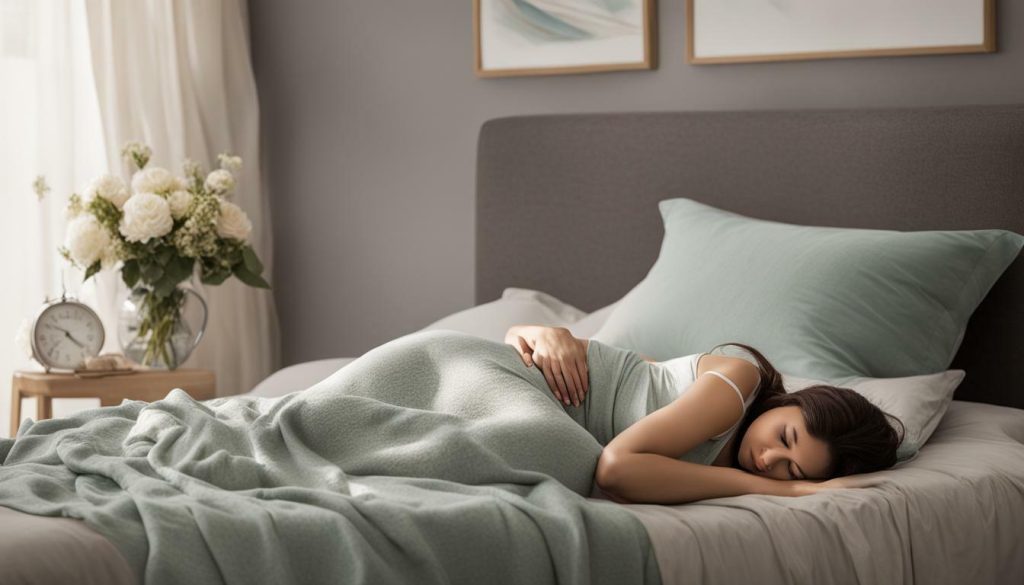
In summary, side sleeping offers numerous benefits for pregnant women, promoting better blood flow and reducing pressure on the liver. Using pregnancy pillows and avoiding sleeping on your back can enhance comfort and support while sleeping on your side. Remember to consult with your healthcare provider for personalized advice on sleep positions and practices during pregnancy.
Other Sleep Positions and Considerations
While side sleeping is highly beneficial, it’s important to consider alternative sleep positions and their suitability for your specific needs. One such position is sleeping on your back, which has its own set of advantages. Back sleeping is particularly helpful for individuals experiencing neck pain or nasal congestion, as it helps to alleviate pressure on these areas. Additionally, sleeping on your back can help prevent wrinkles and skin aging, as there is no contact between your face and the pillow.
However, it’s worth noting that back sleeping may not be suitable for everyone. Pregnant women, individuals with sleep apnea, back pain, GERD, or acid reflux are generally advised against sleeping on their backs, as it can exacerbate their symptoms. In such cases, side sleeping remains the recommended position for optimum rest and comfort.
On the other hand, stomach sleeping is generally discouraged due to its potential negative effects. This position can strain the neck, lower back, and lead to a restless night’s sleep. It can also contribute to facial wrinkles and neck pain over time. For these reasons, it is advisable to avoid sleeping on your stomach and opt for a different position that offers better support and alignment.
Ultimately, choosing the best sleep position depends on your individual needs and considerations. It is essential to select a mattress and pillow that provide adequate support and promote proper spinal alignment. Whether you prefer side, back, or another position, ensuring your sleep environment is conducive to a restful night’s sleep is key to waking up refreshed and rejuvenated.
FAQ
Q: What is the most popular and beneficial sleep position?
A: Sleeping on your side is considered the most popular and beneficial sleep position.
Q: What are the benefits of side sleeping?
A: Side sleeping promotes healthy spinal alignment, reduces snoring, heartburn, and back pain.
Q: Who is side sleeping recommended for?
A: Side sleeping is recommended for pregnant women, people with acid reflux, back pain, snoring, sleep apnea, and older adults.
Q: Should I sleep on my left or right side during pregnancy?
A: It is best to sleep on the left side during pregnancy to improve blood flow and prevent pressure on the liver.
Q: Are there any downsides to side sleeping?
A: Side sleeping can lead to shoulder soreness and facial wrinkles.
Q: What are the benefits of sleeping on your back?
A: Sleeping on your back is beneficial for neck pain, nasal congestion, and avoiding wrinkles.
Q: Who should avoid sleeping on their back?
A: Sleeping on your back is not recommended for pregnant women, people with sleep apnea, back pain, GERD, or acid reflux.
Q: Is sleeping on your stomach recommended?
A: Sleeping on your stomach is generally not recommended as it can strain the neck, lower back, and contribute to restlessness.

