 DIY
DIY
Fun and Easy Craft Activities to Keep Kids Busy…
Look, I get it. You want to do something creative with your kids, but the thought of a kitchen covered in glitter and a mountain of expensive, specialized supplies feels more like a chore than a bonding moment. We’ve all been there—staring at those massive, overpriced craft kits in the store and wondering if the mess is actually worth the payoff. Finding decent kids craft ideas shouldn’t feel like you’re planning a major renovation or preparing for a natural disaster. Most of the time, we overcomplicate things when all we really need is a little bit of imagination and some stuff we already have in the junk drawer.
In this post, I’m stripping away the fluff and giving you five straightforward projects that actually work. These aren’t those high-maintenance activities that require a PhD in arts and crafts; they are low-stress, high-reward ways to keep them occupied without breaking your budget or your sanity. I’ll show you exactly how to use everyday household items to create something cool, so you can get back to living once the glue dries.
Table of Contents
Cardboard Box Architecture
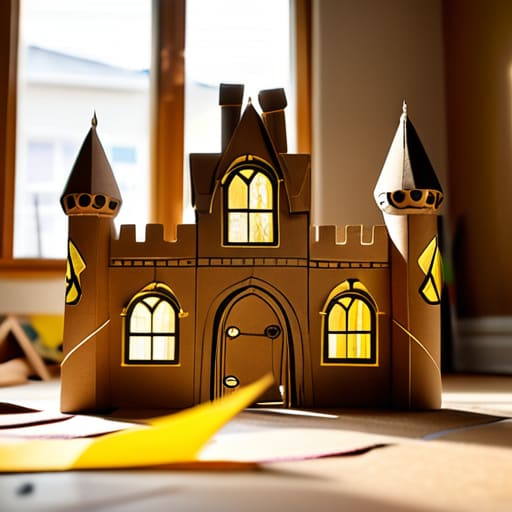
We’ve all been there: you finish unpacking a shipment or a new appliance, and suddenly you’re staring at a massive pile of cardboard that’s destined for the recycling bin. Before you haul it out to the curb, grab some masking tape and a pair of safety scissors. You aren’t just looking at trash; you’re looking at the raw materials for a fort, a spaceship, or a makeshift play kitchen.
The Kitchen Pantry Masterpiece
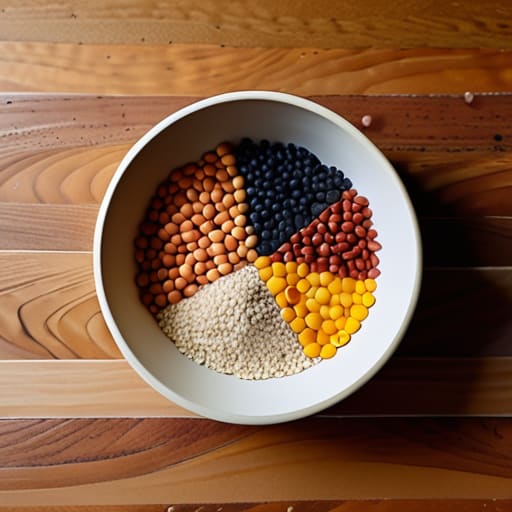
You don’t need to run to a specialty craft store and drop fifty bucks on glitter and specialized clay to keep them occupied. Most of what you need is already sitting in your pantry. Think about dried pasta, lentils, or even old rice. These aren’t just food items; they are tactile building blocks that can be glued onto heavy paper to create incredible textures and patterns.
Nature's Color Palette
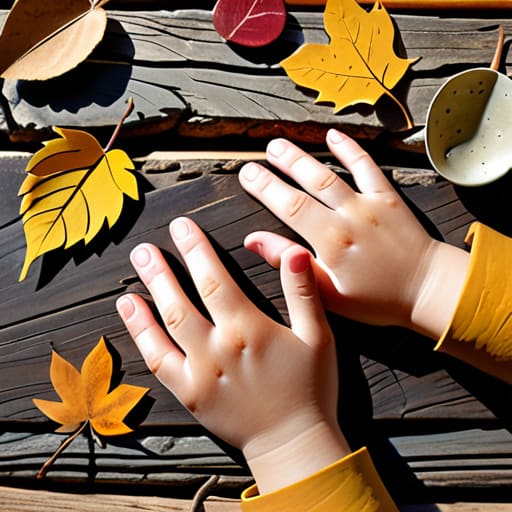
If the weather is decent, stop fighting the urge to go outside and just lean into it. A simple walk around the block or in the backyard can turn into a scavenger hunt for natural art supplies. Collect some interesting leaves, smooth stones, or even fallen twigs. It’s a great way to get them moving and helps them realize that creativity isn’t expensive—it’s just about observation.
DIY Rock Painting
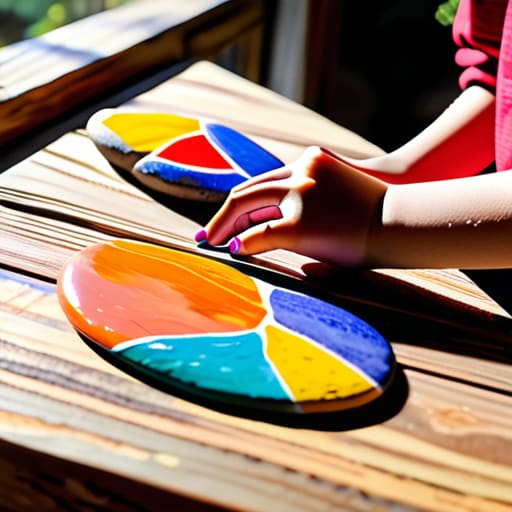
This is one of those projects that feels like it might be messy, but it’s actually incredibly controlled if you do it right. Grab a handful of smooth stones from the garden and some basic acrylic paints or even just some permanent markers. This is perfect for kids who have a lot of energy but need to sit down and focus on a single task for a while.
Masking Tape Roadways
If you have a roll of painter’s tape or masking tape, you have a high-engagement activity ready to go. Instead of buying a massive, expensive toy city, just clear a space on the floor and let them lay down the “roads.” They can create intersections, parking lots, and complex highway systems that wind around the legs of your coffee table.
The Bottom Line
You don’t need a Pinterest-perfect craft room or a massive budget to keep kids engaged; the best projects usually start with stuff you already have in your junk drawer.
Focus on the process rather than the finished product—if they’re busy and creating, you’ve already won.
Keep your setups simple and easy to clean up so that “craft time” doesn’t turn into a two-hour cleaning marathon for you.
Stop Overthinking the Mess
You don’t need a Pinterest-perfect studio or a mountain of expensive supplies to keep them occupied; you just need a little bit of space, some basic materials, and the willingness to let them make a mess so you can actually finish your coffee.
Julian Reese Miller
Making It Count
At the end of the day, these projects aren’t about producing a masterpiece that belongs in a museum; they are about the process. Whether you’re using recycled cardboard, a bit of glue, or whatever is sitting in your junk drawer, the goal is to keep things simple and accessible. We’ve covered everything from low-mess paper crafts to those quick sensory bins, proving that you don’t need a massive craft budget or a dedicated studio space to keep the kids engaged. The most important takeaway here is that efficiency beats perfection every single time. If the living room ends up a little messy, that’s just a sign that something actually happened.
I know how it feels when your to-do list is a mile long and the last thing you want to do is manage a high-stakes art project. But remember, these small moments of creativity are what actually help them learn to navigate the world. You don’t need to be a professional educator or a DIY expert to make this work; you just need to show up and dive in. Strip away the pressure of getting it “right” and just focus on the doing. Once the glue dries and the kids are occupied, you can finally grab a coffee and reclaim a little bit of your own time.
Frequently Asked Questions
How do I keep the mess contained so I'm not cleaning up glitter for the next three weeks?
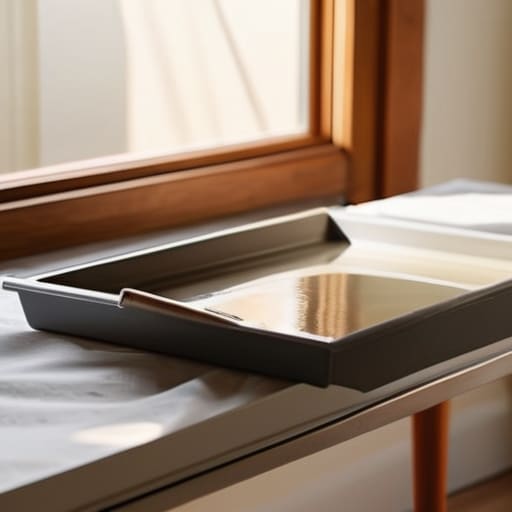
Look, I’ve learned the hard way that “craft time” can quickly turn into “cleaning for three days.” My rule is simple: contain the chaos before it starts. Use a rimmed baking sheet as a workstation—it catches everything that rolls off. If you’re using glitter or fine beads, do it inside a shallow plastic bin. It feels like extra work upfront, but I promise, it’s much better than finding sparkles in your coffee next week.
Are there ways to do these crafts without spending a fortune on specialized supplies every time?
Look, the second you start buying “specialized” kits, you’ve already lost the battle. You don’t need a dedicated craft drawer filled with stuff you’ll use once. Most of what you actually need is already in your recycling bin or junk drawer. Cardboard, egg cartons, and old buttons are gold mines. My rule is simple: if it’s not in the house or won’t cost more than a coffee, don’t buy it. Keep it scrappy.
What can I do if my kids have a short attention span and get frustrated easily?
Look, I get it. I’ve spent hours trying to calibrate a vintage synth only to realize I missed one tiny setting, and that frustration is real. If the kids are hitting a wall, stop fighting the clock. Switch to “micro-tasks.” Instead of a big project, give them a five-minute win—like decorating a single coaster or sorting colored buttons. Keep the setup minimal, the goal tiny, and the cleanup even faster. Success breeds focus.