 Food
Food
Time-saving Hacks for a Faster Kitchen
I remember standing in my first tiny apartment kitchen, staring at a mountain of crusty pans and a sink full of lukewarm water, wondering why I’d spent my entire paycheck on “professional grade” gadgets that were currently just taking up space. Most of the advice you see online feels like it was written for people with three hours of free time and a personal chef on standby. They want you to believe that mastering kitchen tips and tricks requires a $500 knife set or a pantry full of ingredients you can’t even pronounce. Honestly? That’s just noise.
I’m not here to sell you on a lifestyle or tell you to buy more stuff you don’t need. My goal is much simpler: I want to help you reclaim your evening. I’ve spent years figuring out how to streamline my own cooking and cleanup so that the kitchen serves me, rather than the other way around. In this guide, I’m sharing the exact, no-nonsense methods I use to keep things running smoothly without the stress. We’re going to focus on practical, high-impact moves that actually work, so you can get your food on the table and get back to living.
Table of Contents
Mastering Meal Prep Efficiency Without the Stress
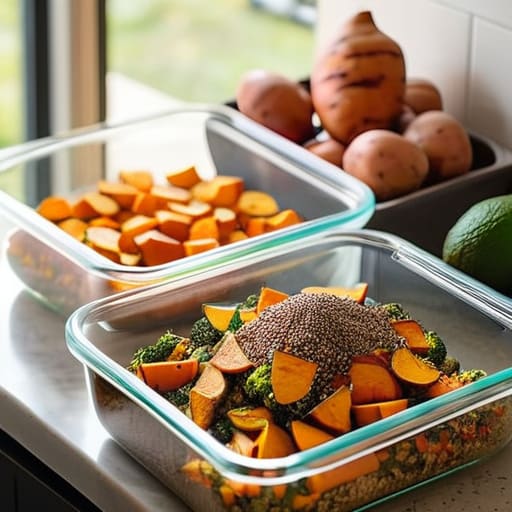
Look, I used to spend my entire Sunday afternoon hunched over a cutting board, feeling like I was working a second shift just to eat during the week. That’s not living; that’s just manual labor. The trick to true meal prep efficiency isn’t about cooking five different gourmet recipes; it’s about component cooking. Instead of making full meals, prep versatile building blocks—a big batch of roasted veggies, a protein, and a grain. It’s much easier to assemble a quick bowl on a Tuesday night than it is to reheat a heavy, soggy casserole.
The second thing you need to nail is your setup. If you’re digging through a cluttered drawer every time you need a lid, you’re wasting precious time. Invest in some decent food storage solutions—glass containers are my go-to because they don’t stain and they actually last. When everything has a dedicated spot, you spend less time searching and more time actually eating. Keep it simple, keep it organized, and stop treating your kitchen like a battlefield.
Safe Knife Handling Techniques for Busy People
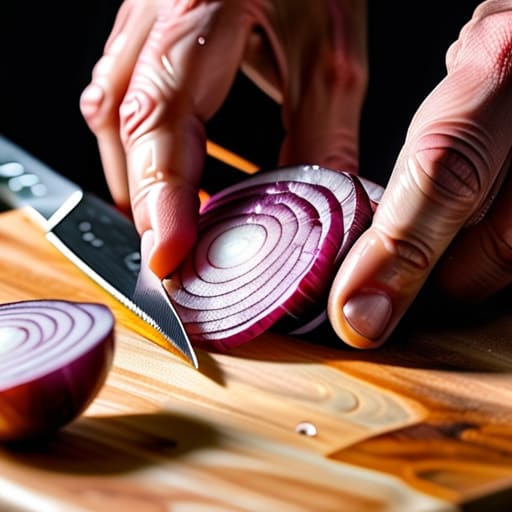
Look, I’ve spent more time than I’d like to admit nursing a nicked finger because I was rushing through a recipe. When you’re trying to maximize your meal prep efficiency, the temptation to hack away at an onion as fast as possible is real, but that’s exactly how accidents happen. The most important thing I learned is the “claw grip.” Curl your fingertips inward toward your palm so your knuckles act as a buffer for the blade. It feels a bit clunky at first, but once it clicks, it’s a total game-changer for both speed and safety.
Beyond your grip, you need to respect the tool. A dull knife is actually more dangerous than a sharp one because it requires more force and is prone to slipping. If you want some quick culinary skill improvement, spend ten minutes once a week honing your edge. Also, never try to catch a falling knife—if it slips, just step back and let it hit the floor. It’s much easier to replace a blade than a fingertip. Keep your workspace clear, stay focused, and you’ll get through your prep without the drama.
Small Moves That Save Massive Amounts of Time
- Clean as you go, seriously. I used to wait until the end of the night to tackle the mountain of dishes, and it felt like a punishment. Now, if I have thirty seconds while the onions are sautéing, I’m washing the cutting board or the prep bowls. It keeps the workspace clear and means you aren’t staring at a sink full of crusty pans when you’re finally ready to sit down and eat.
- Stop digging through deep cabinets. If you have a “junk drawer” or a bottom cabinet where Tupperware goes to die, you’re wasting mental energy every single night. Get some cheap, clear bins or even just small trays to group things by category—baking, spices, grains. If you can see it at a glance, you aren’t hunting for it.
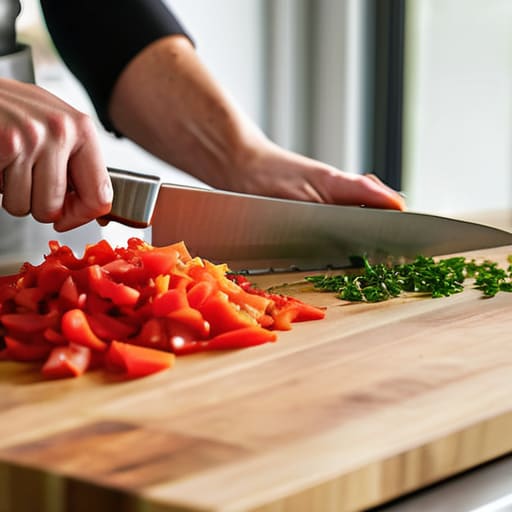
- Batch your “boring” prep work. When you’re already chopping an onion for Tuesday’s dinner, chop three more. When you’re making rice, make a double or triple batch and freeze what you don’t use. It’s much easier to spend ten minutes extra once a week than to spend twenty minutes every single night doing the same repetitive tasks.
- Invest in a decent thermometer, not just fancy gadgets. Most people stress about whether their chicken is done or their steak is perfect, which leads to overcooking and wasted food. A simple digital meat thermometer takes the guesswork out of the equation. It’s one of those small, functional tools that makes you feel instantly more competent in the kitchen.
- Declutter your counters. A crowded workspace is a slow workspace. If you aren’t using that stand mixer or that heavy air fryer every single day, find a home for it inside a cabinet. Keeping your main prep area clear gives you more room to move and makes the whole cooking process feel less claustrophobic.
The Bottom Line
Stop trying to be a gourmet chef every single night; focus on prepping versatile components rather than rigid, complicated meals so you can pivot based on how much energy you actually have left.
Respect your tools—keeping your knives sharp and your workspace organized isn’t just about being “pro,” it’s about preventing accidents and cutting your cleanup time in half.
Efficiency in the kitchen isn’t about working harder, it’s about setting yourself up so that the “work” happens in small, manageable bursts rather than one giant, overwhelming ordeal.
The Philosophy of a Functional Kitchen
“A kitchen shouldn’t be a place where you lose your evening to a pile of dishes or a complicated recipe; it should be a streamlined workshop that fuels your life instead of draining it.”
Julian Reese Miller
Getting Back to What Matters
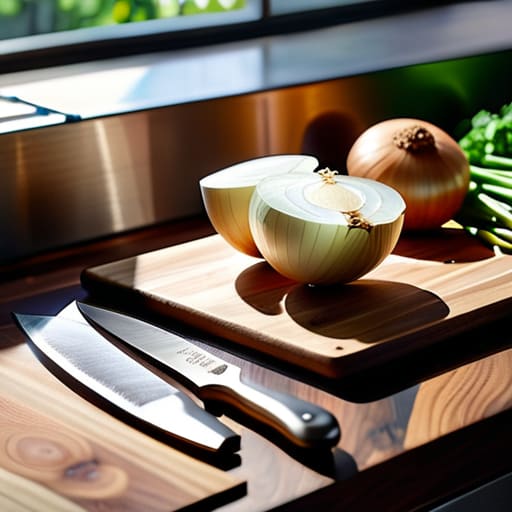
At the end of the day, managing a kitchen isn’t about achieving some Pinterest-perfect aesthetic or mastering French culinary techniques. It’s about the small, tactical wins we talked about: setting up a meal prep routine that actually sticks, keeping your knives sharp and your fingers safer, and organizing your space so you aren’t hunting for a spatula mid-recipe. When you implement these shifts, you aren’t just cleaning a counter or chopping an onion; you are systematizing your environment to reduce the mental load. By treating your kitchen like a well-oiled workshop rather than a source of chaos, you ensure that efficiency becomes your default setting rather than a daily struggle.
I know how it feels to stand in front of a cluttered stove after a long day and just want to order takeout instead. But I promise you, once you strip away the intimidation and start applying these simple fixes, the kitchen stops being a chore and starts being a tool. My goal isn’t to turn you into a professional chef; it’s to help you reclaim your time so you can actually enjoy the food you make. Stop letting the mess dictate your schedule. Take one small step today, master one new habit, and get back to living your life.
Frequently Asked Questions
I feel like I'm spending way too much time cleaning up as I go—is there a way to stay organized without it feeling like a chore?
I hear you. The “cleaning as you go” thing often feels like you’re just running in place. My rule of thumb: treat your kitchen like a workspace, not a battlefield. While the pasta is boiling or the oven is preheating, use those five-minute gaps to clear the cutting board or load the dishwasher. If you wait until the meal is finished, the mountain of dishes feels impossible. Small wins keep the chaos at bay.
My spice cabinet is a mess of half-used jars; how do I actually organize my pantry so I'm not wasting money on duplicates?
First, empty everything onto your counter. I know, it’s a mess, but you can’t organize what you can’t see. Check expiration dates and toss the dust. Group things by how you actually use them—spices near the stove, baking goods together. Invest in a few cheap, uniform airtight containers to stop the clutter. Once everything has a dedicated home, you’ll see exactly what you have, saving you from buying that third jar of cumin.
I don't have a lot of counter space in my apartment, so how can I set up a functional workspace without buying expensive organizers?
Small counters are a nightmare, I get it. I learned that the hard way when I moved into my first apartment. Forget the expensive acrylic organizers; they just take up more room. Instead, look up. Get a sturdy wall shelf or even a magnetic knife strip to clear the surface. I also swear by a rolling kitchen cart—it’s a mobile workspace that you can tuck away when you’re done. Keep the essentials within arm’s reach and everything else off the deck.