 DIY
DIY
The Two-minute Fix for a Squeaky Door
I was halfway through a deep-focus work session in my apartment last Tuesday when that piercing, high-pitched screech echoed through the hallway again. It’s that specific, nails-on-a-chalkboard sound that happens every single time someone enters or leaves a room, and honestly, it was starting to drive me insane. Most people think you need to call a professional or buy a specialized kit to handle it, but that’s a total myth. Learning how to fix a squeaky door doesn’t require a toolbox full of expensive gear or a weekend of manual labor; usually, you already have exactly what you need sitting in your kitchen or junk drawer.
I’m not here to give you a lecture on home maintenance or suggest you spend fifty bucks on a “professional lubricant.” My goal is to help you stop the noise with zero fluff. In this guide, I’m going to walk you through the most effective, low-effort methods to silence those hinges for good. We’ll cover everything from the quick household hacks to the slightly more permanent fixes, so you can get this done fast and get back to your actual life.
Table of Contents
Guide Overview
Tools & Supplies
- Screwdriver (to tighten loose hinge screws)
- Microfiber cloth (to wipe away excess lubricant)
- Lubricant (1 can of silicone spray or a tube of lithium grease)
- Paper towels (1 roll for cleanup)
Step-by-Step Instructions
- 1. First, figure out exactly where the noise is coming from. Open and close the door slowly while listening closely to the hinges. If you can pinpoint the specific hinge that’s acting up, you’ll save yourself a lot of unnecessary work later on.
- 2. Grab a screwdriver and a hammer to pull the hinge pin. Most of the time, you can just tap the bottom of the pin upward with the hammer until it pops out. If it feels stuck, don’t force it too hard; just a steady, controlled tap should do the trick.
- 3. Once the pin is out, take a look at it. If it’s covered in old, gritty gunk or rust, wipe it down with a paper towel or a bit of rubbing alcohol. You want a clean surface before you apply any new lubricant, otherwise, you’re just trapping the dirt back inside.
- 4. Now, apply your lubricant. If you have a dedicated spray like WD-40 Specialist Silicone or a lithium grease, use that. If you’re in a pinch and don’t want to run to the hardware store, a few drops of cooking oil or even petroleum jelly from your medicine cabinet will work in a heartbeat.
- 5. Slide the pin back into the hinge carefully. As you push it down, move the door back and forth a few times to help the oil work its way into the internal mechanism. This is the part that actually kills the friction that’s causing that grating sound.
- 6. Wipe away any excess oil that drips down the door or the hinge. You don’t want oily fingerprints on your woodwork or a mess on your floor. A quick wipe with a rag keeps everything looking clean and intentional rather than neglected.
- 7. Give the door one final test run. If it’s still making a tiny bit of noise, you might need a slightly heavier application of lubricant, but usually, this quick process is enough to get that silence back so you can actually hear yourself think.
Smart Door Hardware Troubleshooting Without the Headache
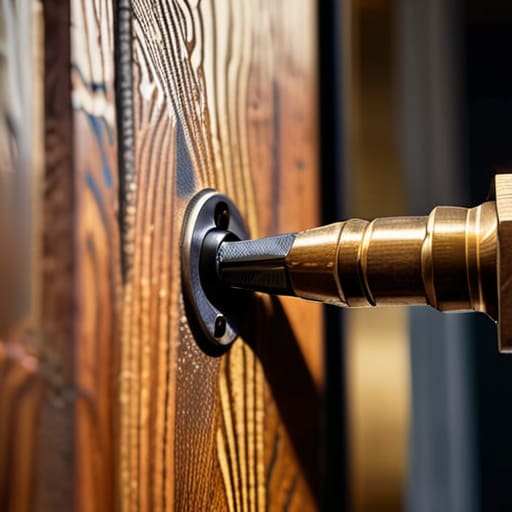
If you’ve already tried the basics and that sound is still haunting your hallway, it’s time to look a little deeper. Sometimes, the issue isn’t just a dry joint; it’s about the hardware itself. When you’re doing some door hardware troubleshooting, pay close attention to whether the door is actually sitting level. If the frame has shifted even a fraction of an inch, the metal might be rubbing against the casing, which no amount of oil will solve. In these cases, you might need to tighten the mounting screws or slightly adjust the hinge position to stop the friction.
Another common trap is choosing the wrong tool for the job. I see people reach for the classic blue can of WD-40 every single time, but here’s the reality: WD-40 vs silicone spray for doors is a debate you need to win. While the standard stuff is great for loosening stuck parts, it can actually attract dust and grime over time, making the squeak return even worse. For long-term door hinge pin maintenance, I always recommend a dedicated silicone spray or a lithium grease. They stay where you put them and won’t turn your hinges into a sticky, dusty mess.
Lubricating Door Hinges Using Common Household Items
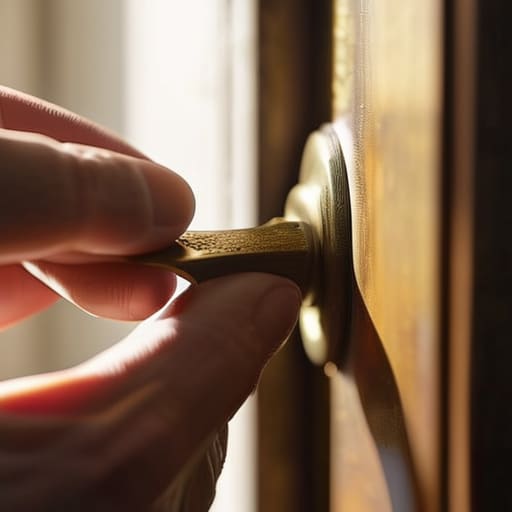
If you don’t have a dedicated toolkit sitting in your junk drawer, don’t sweat it. You can actually find plenty of household items to stop door squeaks without making a run to the hardware store. I’ve found that a little bit of petroleum jelly (Vaseline) works wonders. Just dab a small amount onto the pin or the hinge joints; it’s thick, stays where you put it, and provides a long-lasting barrier against friction. If you’re in a pinch, even a few drops of olive oil or vegetable oil from the kitchen can do the trick, though I’d suggest using those sparingly since they can get a bit tacky over time.
When it comes to the classic debate of WD-40 vs silicone spray for doors, here’s my take: if you’re just trying to kill a noise right this second, the standard WD-40 is fine. However, if you want a real fix, reach for the silicone. It’s much better for door hinge pin maintenance because it doesn’t attract nearly as much dust and grit. My rule of thumb is to use the quick stuff for emergencies, but invest in a silicone spray if you want to set it and forget it.
Pro-Tips to Keep the Silence (And Save Your Sanity)
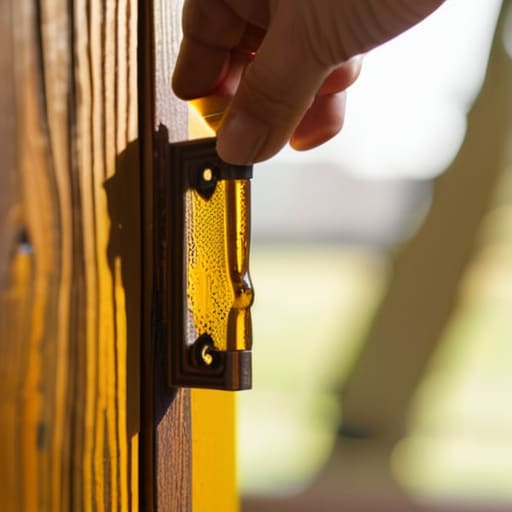
- Don’t just spray and pray; if you’re using an aerosol lubricant, wipe away the excess immediately with a rag so you don’t end up with a greasy mess on your floor or door frame.
- If the squeak persists after lubricating, the hinge pin might actually be bent; take a quick look to see if it’s straight, because even the best oil won’t fix a structural misalignment.
- Check for loose screws while you’re at it; a slightly loose hinge can cause the metal to rub unevenly, creating a noise that sounds like a squeak but is actually just friction from a shifting part.
- If you’re working with old, heavy doors, do the job in stages—remove the pin, clean it, lube it, and reinsert it—rather than trying to force a lubricant into a tight, dry joint.
- Keep a small tube of petroleum jelly in your junk drawer; it’s a long-term fix that stays put better than some thin oils, meaning you won’t have to repeat this whole process next week.
The Bottom Line
Most squeaks are just friction in the hinges; a quick bit of lubrication—even with stuff you already have in your kitchen—will solve it 90% of the time.
Don’t overcomplicate things with expensive specialty tools; a simple multi-tool and some basic household oils are usually all you need to get the job done.
If the noise persists after lubricating, look toward your hardware or smart locks, but always start with the simplest, cheapest fix first to save yourself time and money.
The Philosophy of Small Fixes
“A squeaky door is just a tiny, persistent friction point in your day; fixing it isn’t about being a master handyman, it’s about reclaiming your peace of mind so you can stop noticing the small stuff and start focusing on what actually matters.”
Julian Reese Miller
Getting Back to Quiet
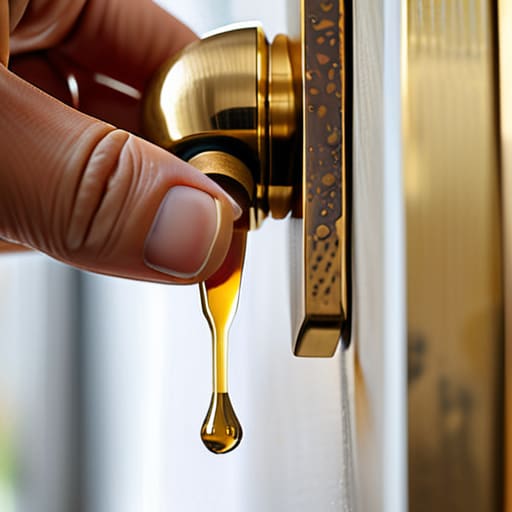
At the end of the day, fixing a squeaky door isn’t about mastering advanced carpentry; it’s about knowing which small lever to pull to stop a minor annoyance from becoming a constant distraction. Whether you ended up using a bit of cooking oil from the pantry, a specialized lubricant for your smart hardware, or just a quick tightening of a loose screw, you’ve successfully reclaimed your environment. We went from a piercing noise that disrupts your focus to a door that swings silently with just a few minutes of effort. Remember, the goal was never to turn you into a professional handyman, but to ensure you have the right tools and knowledge to handle the little things before they pile up.
I’ve learned through years of tinkering with old synths and living in cramped apartments that the most satisfying victories are often the smallest ones. There is a specific kind of peace that comes from realizing you don’t need to call a professional or spend a fortune just to make your home function better. Don’t let the small, nagging repairs in your life intimidate you or make you feel like you’re falling behind. Once you realize that most problems have simple solutions, you stop feeling overwhelmed and start feeling capable. Now that the noise is gone, go enjoy the quiet and get back to your life.
Frequently Asked Questions
What should I do if the squeak doesn't stop even after I've lubricated the hinges?
If the lubricant didn’t do the trick, the problem likely isn’t friction—it’s alignment. Grab your multi-tool and check if the hinge pins are bent or if the screws are loose. Sometimes, a door sags just enough to rub against the frame. Tighten those screws first. If it still squeaks, you might need to pop the pin out entirely, sand down any burrs, and reinsert it. It’s a bit more work, but it beats a permanent headache.
Is it safe to use cooking oil or WD-40 on my door hinges, or will that cause more problems later?
Look, I get the temptation to grab whatever is in the kitchen or the junk drawer, but let’s avoid the long-term headache. Cooking oil might work for ten minutes, but it eventually goes rancid and gets gummy, which actually attracts dust and makes the squeak worse. As for WD-40, it’s a great cleaner, but it’s a solvent, not a long-term lubricant. Use a dedicated silicone spray or lithium grease instead—it’s worth the extra two bucks to avoid a mess later.
How can I tell if the noise is actually coming from the hinge itself or if the door is just rubbing against the frame?
To figure this out, try the “visual and tactile test.” First, open the door slowly and watch the gap between the door and the frame. If you see the wood or paint scraping against the side, you’ve got a rubbing issue, not a hinge issue. If it looks clear but you still hear that piercing screech, grab your multi-tool and feel the hinge itself while moving the door. If the vibration is coming from the metal, it’s definitely the hinge.