

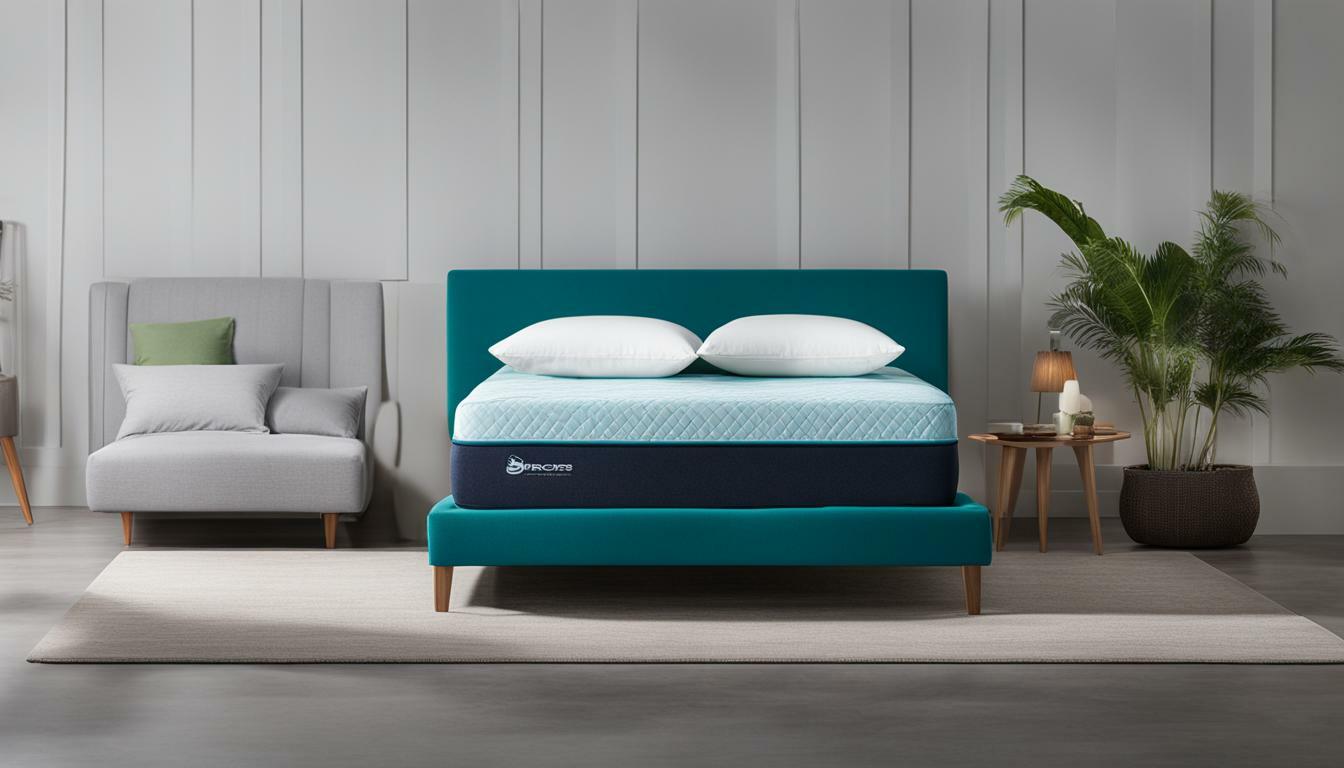
When it comes to choosing a mattress, understanding the differences between Memory Foam vs. Innerspring vs. Hybrid options is crucial. Each type offers unique features and benefits to consider. This article will provide an in-depth comparison of memory foam, innerspring, and hybrid mattresses, helping you make an informed decision about the best mattress for your needs.
- Memory foam mattresses conform to pressure and heat, providing a sinking, cloud-like feeling. They are good at reducing motion transfer and are suitable for side sleepers. However, they can be prone to overheating and off-gassing.
- Innerspring mattresses are made mainly of coils with a thin layer of foam, cotton, or polyurethane foam on top. They provide good airflow and are more affordable. However, they lack motion isolation and may not conform well to the body’s natural curves.
- Hybrid mattresses combine the sturdiness of a spring mattress with the comfort of a foam mattress. They offer a balance between support and comfort, making them suitable for a wide range of sleepers. However, they can be expensive and heavy.
- Factors to consider when choosing a mattress include comfort level, support, durability, motion isolation, pressure relief, and heat retention.
- Ultimately, the choice between memory foam, innerspring, and hybrid mattresses depends on personal preferences, sleeping positions, budget, and other considerations like body type and temperature regulation needs.
By exploring the pros and cons of each mattress type and considering your specific needs and preferences, you can find the perfect mattress that will provide the comfort and support you deserve for a good night’s sleep.
What is a Memory Foam Mattress?
Memory foam mattresses are constructed using layers of poly-foam that respond to pressure and heat, offering a unique level of comfort and support. These mattresses contour to the shape of your body, providing personalized support and reducing pressure points. The poly-foam used in memory foam mattresses is designed to distribute weight evenly, promoting proper spinal alignment and reducing the risk of discomfort or pain.
One of the key advantages of memory foam mattresses is their ability to absorb motion, making them an excellent choice for couples or individuals who share a bed. This feature prevents disruptions caused by movement, ensuring a peaceful night’s sleep. Additionally, memory foam mattresses are hypoallergenic and resistant to dust mites, mold, and other allergens, making them a healthy option for those with respiratory conditions or allergies.
However, it’s important to note that memory foam mattresses can retain heat due to their dense structure. This can be a disadvantage for those who tend to sleep hot. To address this issue, many manufacturers now incorporate cooling technologies, such as gel-infused foam or open-cell foam, to regulate temperature and improve breathability. It’s worth considering these features if you’re sensitive to heat or live in a warm climate.

“`html
| Pros of Memory Foam Mattresses | Cons of Memory Foam Mattresses |
|---|---|
| Exceptional comfort and support | Potential heat retention |
| Pressure point relief | Possible off-gassing odor |
| Excellent motion isolation | Higher price point |
| Hypoallergenic and dust mite resistant |
“`
Memory Foam Mattresses: A Suitable Choice for Side Sleepers
Memory foam mattresses are particularly well-suited for side sleepers. The conforming nature of memory foam allows the mattress to contour to the body’s natural curves, providing optimal support for the shoulders, hips, and lower back. This helps to alleviate pressure points that can develop during sleep, reducing the risk of morning aches and pains. Side sleepers often appreciate the way memory foam cradles their bodies, creating a feeling of weightlessness and promoting a more restful sleep experience.
On the other hand, individuals who prefer a firmer sleep surface or those who tend to shift positions frequently during the night may find memory foam mattresses less supportive. The sink-in feeling can make it difficult to move around effortlessly, which may be a concern for combination sleepers.
Memory foam mattresses offer exceptional comfort and support, making them an ideal choice for those seeking pressure relief and motion isolation. However, they can retain heat and may have a higher price point compared to other mattress types.
Pros and Cons of Memory Foam Mattresses
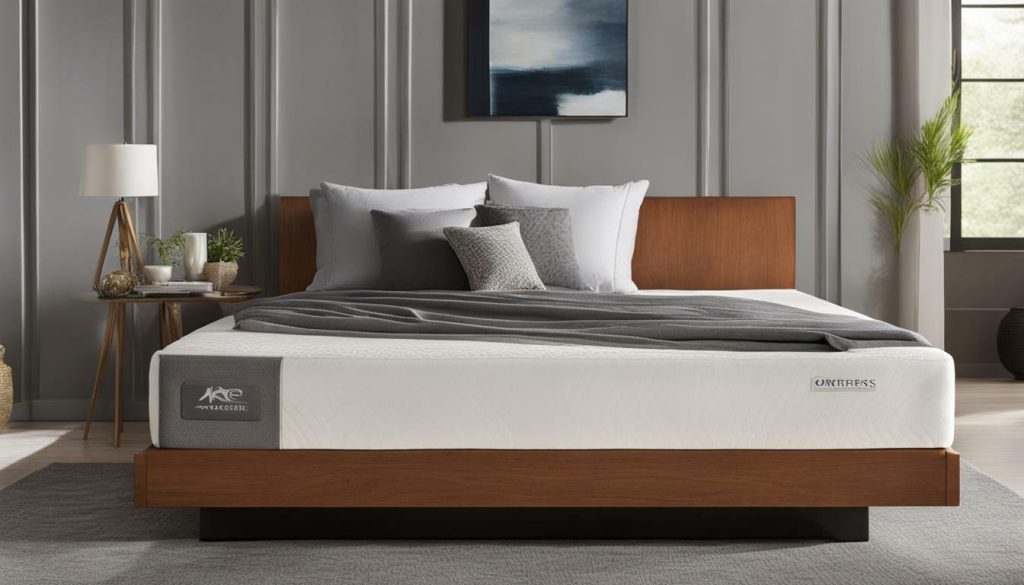
While memory foam mattresses excel in providing pressure relief and reducing motion transfer, they can be prone to overheating and off-gassing. The unique properties of memory foam allow it to contour to your body’s shape, distributing weight evenly and alleviating pressure points. This makes memory foam mattresses particularly beneficial for those with joint or back pain. The material absorbs movement, minimizing disturbances caused by a restless sleeping partner. Additionally, memory foam mattresses are hypoallergenic, resisting dust mites and other allergens, making them suitable for individuals with allergies or asthma.
On the downside, memory foam mattresses are known to retain and radiate heat. The dense nature of the foam can trap body heat during the night, causing discomfort and potentially disrupting sleep. However, many manufacturers now offer cooling technologies such as gel-infused foam or open-cell structures to mitigate this issue. Another concern is the initial off-gassing odor that may be present when the mattress is first unwrapped. This odor is harmless and dissipates over time, but it can be bothersome for sensitive individuals. Proper ventilation of the room and airing out the mattress can help expedite the process.
It’s important to consider personal preferences and individual needs when deciding on a mattress type. While memory foam mattresses have their drawbacks, they are still a popular choice for those seeking pressure relief and motion isolation. As with any major purchase, testing and comparing different models and brands, along with considering factors like firmness, thickness, and density, will help you find the memory foam mattress that suits you best.
| Advantages | Disadvantages |
|---|---|
| Provides excellent pressure relief | Tends to retain heat |
| Reduces motion transfer | Possible initial off-gassing odor |
| Contours to the body’s shape for personalized comfort | |
| Hypoallergenic, resistant to dust mites and allergens |
In summary, memory foam mattresses are known for their ability to provide pressure relief and reduce motion transfer. However, they can be prone to overheating and may emit an initial off-gassing odor. It’s important to weigh these pros and cons when considering whether a memory foam mattress is the right choice for your sleep needs.
Understanding Innerspring Mattresses
Innerspring mattresses consist mainly of coils with a thin layer of foam, cotton, or polyurethane foam on top, providing a firm and bouncy sleep surface. These mattresses have been around for decades and are a popular choice due to their affordability and good airflow. The coils in an innerspring mattress provide support and help maintain proper spinal alignment while sleeping.
One of the key advantages of innerspring mattresses is their ability to offer a cooler sleep experience. The open design of the coils allows for better air circulation, preventing heat retention. This is particularly beneficial for individuals who tend to sleep hot or live in warmer climates. Additionally, innerspring mattresses tend to have a responsive feel, making it easy to move around and change sleeping positions.
However, innerspring mattresses do have their limitations. The coil system can cause motion transfer, meaning that movement on one side of the bed can be felt on the other. This can be disruptive for couples who have different sleep patterns. Innerspring mattresses also lack the ability to contour to the body’s natural curves, which may result in less pressure relief and support for some sleepers.
| Pros of Innerspring Mattresses | Cons of Innerspring Mattresses |
|---|---|
| Affordable | Less motion isolation |
| Good airflow and temperature control | Limited pressure relief and support |
| Easy to move around and change sleeping positions |
Ultimately, when choosing between memory foam, innerspring, and hybrid mattresses, it’s important to consider your personal preferences, sleeping positions, and budget. Innerspring mattresses are a suitable choice for those who prefer a firmer sleep surface, good airflow, and affordability. However, if you are looking for better motion isolation, pressure relief, and body contouring, you may want to explore other options like memory foam or hybrid mattresses. Remember to take into account factors like body type, sleep temperature, and any specific sleep concerns you may have.
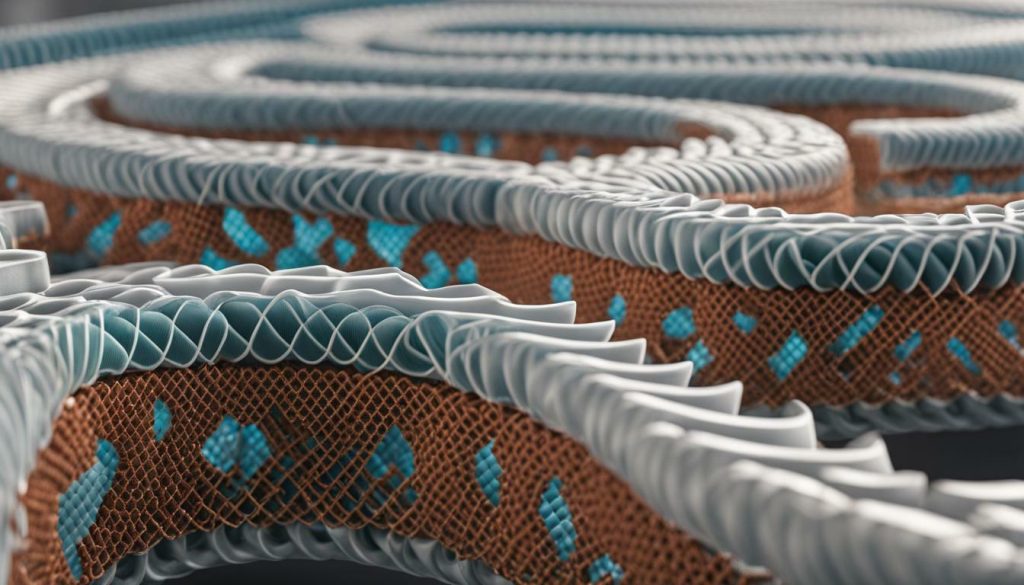
Innerspring mattresses are more affordable and offer good airflow, making them a popular choice for budget-conscious individuals who prioritize breathability during sleep. The coil system in these mattresses allows for better air circulation, preventing heat buildup and promoting a cooler sleeping environment. Additionally, the firmness provided by the coils can be beneficial for individuals who require extra support or prefer a more traditional sleeping surface. However, it’s important to consider the potential drawbacks of innerspring mattresses before making a final decision.
One significant disadvantage of innerspring mattresses is their potential lack of motion isolation. The coils in these mattresses can transfer movement across the bed, which can disrupt the sleep of individuals who share a bed with a restless partner. Moreover, due to the bouncy nature of innerspring mattresses, they may not conform well to the body’s natural curves, leading to potential discomfort, especially for individuals with specific pressure points or orthopedic concerns.
To summarize the pros and cons of innerspring mattresses:
| Pros | Cons |
|---|---|
| More affordable | Lack of motion isolation |
| Good airflow | Potential discomfort and lack of body conformation |
It’s important to carefully evaluate your own sleep preferences, body type, and specific needs before deciding whether an innerspring mattress is the right choice for you. Take into account factors such as motion transfer, support, and comfort to ensure a restful and comfortable night’s sleep.

“While innerspring mattresses offer affordability and good airflow, it’s crucial to consider their potential drawbacks. Lack of motion isolation and limited body conformation may affect the sleep quality and comfort of some individuals.” – Sleep Expert
Understanding Hybrid Mattresses
Hybrid mattresses offer the best of both worlds, with a sturdy spring core and multiple layers of foam, latex, and gel for added comfort. These mattresses are designed to provide a balance between support and pressure relief, making them suitable for a wide range of sleepers.
Unlike traditional innerspring mattresses that rely solely on coil springs for support, hybrid mattresses incorporate various foam layers and materials. This combination allows for enhanced contouring and reduced motion transfer, providing a more comfortable and undisturbed sleep experience.
One of the key advantages of hybrid mattresses is their ability to provide targeted support to different areas of the body. The coil springs offer a solid base that promotes proper spinal alignment, while the foam layers conform to the body’s natural curves, relieving pressure points and ensuring optimal comfort. This feature makes hybrid mattresses an excellent choice for sleepers who experience back or joint pain.
Additionally, hybrid mattresses often come with different firmness options to suit individual preferences. This versatility allows sleepers to find the perfect balance between support and plushness, catering to their specific needs.

When considering the drawbacks, it’s important to note that hybrid mattresses tend to be heavier and more expensive compared to their memory foam or innerspring counterparts. The added layers of foam and additional materials contribute to the weight of the mattress, which may make it a bit difficult to move or rotate.
Furthermore, the price point of hybrid mattresses can be higher due to the combination of different materials and advanced construction techniques. However, many customers find that the benefits outweigh the cost, as hybrid mattresses often provide better longevity and comfort.
In conclusion, hybrid mattresses offer a unique combination of support and comfort, making them a popular choice among sleepers who desire the benefits of both innerspring and memory foam mattresses. With their sturdy spring core and multiple layers of foam, latex, and gel, hybrid mattresses provide a supportive sleep surface that contours to the body. While they may be heavier and more expensive, the additional benefits they offer make hybrid mattresses a worthwhile investment for those seeking a customizable and luxurious sleeping experience.
Pros and Cons of Hybrid Mattresses
Hybrid mattresses strike a balance between support and comfort, offering reasonable temperature control and reduced motion transfer, but they tend to be more expensive and heavier. These mattresses are designed to provide the best of both worlds, combining the benefits of traditional spring mattresses with the comfort and pressure-relieving properties of foam, latex, and gel.
One of the main advantages of hybrid mattresses is their ability to offer customized support. The combination of coils and foam layers allows for targeted support to different areas of the body, promoting spinal alignment and reducing pressure points. Additionally, the foam layers in hybrid mattresses provide contouring comfort, allowing the mattress to mold to the body’s natural curves for a more personalized sleep surface.
Another notable advantage of hybrid mattresses is their temperature control. The responsive foam layers in hybrid mattresses are designed to dissipate heat, preventing the buildup of body heat and promoting a cooler sleep environment. This makes hybrid mattresses a great choice for individuals who tend to sleep hot or live in warmer climates.
| Pros of Hybrid Mattresses | Cons of Hybrid Mattresses |
|---|---|
| Customized support for different areas of the body | More expensive compared to innerspring mattresses |
| Contouring comfort that molds to the body’s natural curves | Heavier and may be difficult to move or rotate |
| Improved temperature control and heat dissipation | May have a slight off-gassing odor initially |
| Reduced motion transfer for undisturbed sleep | May not be suitable for individuals who prefer a very firm or very plush sleep surface |
While hybrid mattresses offer a lot of benefits, it’s important to consider their potential drawbacks as well. The main disadvantage of hybrid mattresses is their higher price point compared to traditional innerspring mattresses. The combination of high-quality materials and advanced construction techniques that provide the unique benefits of hybrid mattresses comes at a higher cost.
Additionally, hybrid mattresses tend to be heavier and more difficult to move or rotate compared to other mattress types. This can be an inconvenience when it comes to cleaning or rearranging your bedroom furniture. However, the benefits of the hybrid design, such as improved support and comfort, often outweigh the inconvenience of the additional weight.
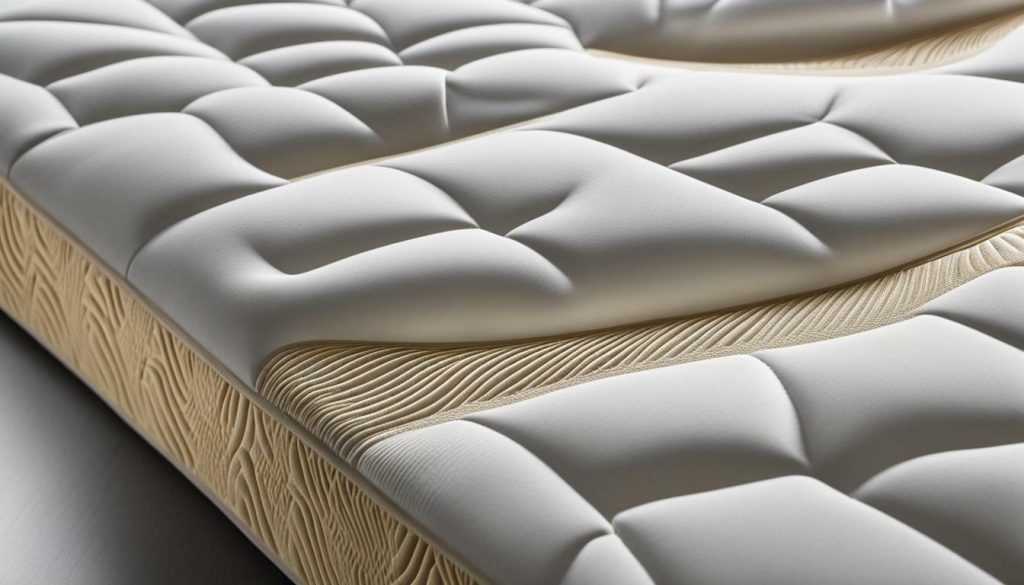
In conclusion, hybrid mattresses offer a combination of support and comfort that cater to a wide range of sleepers. They provide reasonable temperature control, reduced motion transfer, and the ability to customize support based on individual preferences. While they may be more expensive and heavier than other mattress types, the benefits they offer make them a popular choice for those seeking a comfortable and restful night’s sleep.
Considering Your Preferences and Needs
When making a decision, it’s important to consider your individual preferences, sleeping style, and factors such as body type and temperature regulation. Choosing the right mattress type can greatly impact your sleep quality and overall comfort. Let’s take a closer look at the pros and cons of memory foam, innerspring, and hybrid mattresses to help you make an informed decision.
Memory Foam Mattresses
Memory foam mattresses are known for their exceptional ability to conform to your body’s shape and provide excellent pressure relief. This makes them a great choice for side sleepers or individuals with joint or muscle pain. Memory foam also absorbs motion, reducing disturbances caused by tossing and turning. However, some people find memory foam mattresses to be too warm, as they tend to retain heat. Additionally, memory foam mattresses can have a slight off-gassing odor initially, which may require some airing out.
Innerspring Mattresses
Innerspring mattresses are the traditional choice, known for their supportive and bouncy feel. They offer good airflow, keeping you cool throughout the night. Innerspring mattresses are typically more affordable compared to memory foam or hybrid options. However, they may not provide as much pressure relief or motion isolation. The spring coils can also create noise when you move around on the mattress, which may be a disadvantage for light sleepers. Lastly, innerspring mattresses may not contour to the body’s natural curves as well as foam mattresses.
Hybrid Mattresses
Hybrid mattresses combine the best of both worlds, featuring a layer of memory foam or latex on top of a spring core. This combination offers the benefits of pressure relief and motion isolation from foam, while also providing the support and durability of an innerspring mattress. Hybrid mattresses come in various firmness options, making them suitable for different sleep preferences. However, due to their layered construction, hybrid mattresses can be heavier and more expensive compared to other types.
When it comes to choosing the best mattress type for you, it’s essential to consider your unique needs and preferences. Whether you prioritize pressure relief, motion isolation, temperature regulation, or a balance of all factors, there is a mattress type that can meet your requirements. By evaluating your sleeping style, body type, and other individual factors, you can make an informed decision and find the perfect mattress for a restful night’s sleep.
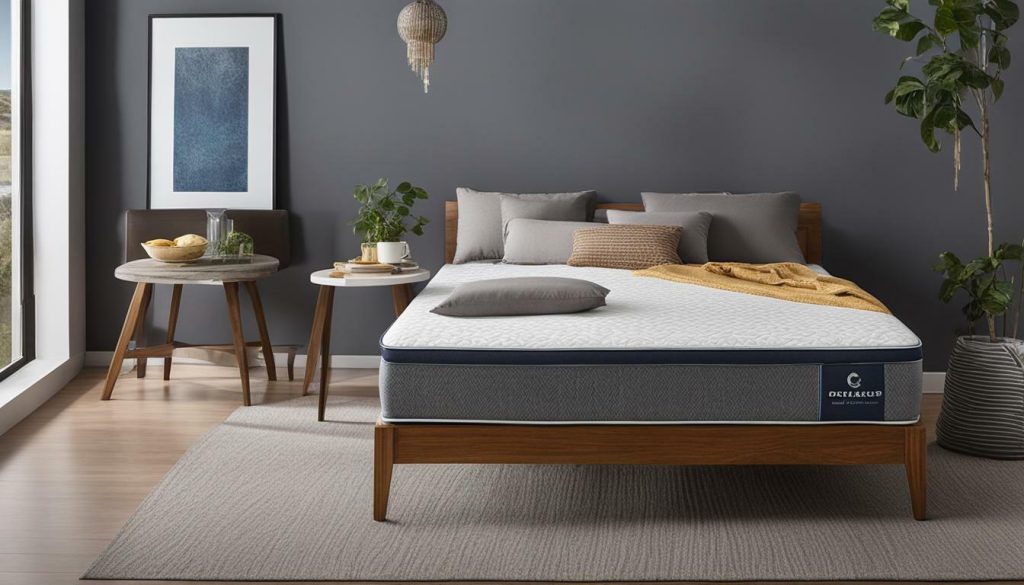
Factors to Consider When Choosing a Mattress
To make an informed decision, it’s essential to assess factors such as comfort, support, durability, motion isolation, pressure relief, and heat retention.
Comfort level is subjective and varies from person to person. Memory foam mattresses tend to offer a plush and contouring feel, hugging the body’s curves and relieving pressure points. Innerspring mattresses, on the other hand, provide a firmer and more traditional feel, with better airflow for those who tend to sleep hot. Hybrid mattresses strike a balance between the two, offering a combination of support and cushioning.
Support is crucial for proper spinal alignment and a good night’s sleep. Memory foam mattresses excel in contouring to the body and providing personalized support, while innerspring mattresses offer firm support and responsiveness. Hybrid mattresses combine the support of coils with the added comfort of foam layers.
Durability is an important factor in selecting a mattress that will last for years to come. In general, memory foam mattresses have a longer lifespan compared to innerspring mattresses, as the foam is less prone to sagging and wear. Hybrid mattresses also tend to be durable, thanks to the combination of materials.
Motion isolation is particularly important for couples or those who share a bed. Memory foam mattresses are known for their ability to absorb motion, preventing disruptions from a restless partner. Innerspring mattresses typically transfer more motion, which may not be ideal for light sleepers. Hybrid mattresses can offer good motion isolation, depending on the construction.
Pressure relief is crucial for those with joint or back pain. Memory foam mattresses conform to the body, alleviating pressure and providing relief for sensitive areas. Innerspring mattresses offer less contouring but can still provide adequate support. Hybrid mattresses often have an additional layer of foam or gel for enhanced pressure relief.
Heat retention can affect sleep quality, especially for those who tend to sleep hot. Memory foam mattresses have a reputation for trapping heat, but many modern models now include cooling technologies to combat this issue. Innerspring mattresses provide excellent airflow, promoting a cooler sleep environment. Hybrid mattresses typically offer better temperature regulation compared to memory foam.
| Factors to Consider | Memory Foam | Innerspring | Hybrid |
|---|---|---|---|
| Comfort | Plush and contouring | Firm and traditional | Balance between support and cushioning |
| Support | Personalized support | Firm support and responsiveness | Support of coils with added comfort of foam layers |
| Durability | Longer lifespan, less prone to sagging | Less durable, more prone to sagging | Durable due to combination of materials |
| Motion Isolation | Excellent | Poor | Good, depending on construction |
| Pressure Relief | Conforms to body, alleviates pressure | Adequate support | Additional layer for enhanced pressure relief |
| Heat Retention | Potential for heat trapping, many models now include cooling technologies | Excellent airflow, promotes cooler sleep environment | Offers better temperature regulation compared to memory foam |
By carefully considering these factors, you can choose the mattress that best suits your needs and preferences. Remember to prioritize your comfort, support, and overall sleep quality to ensure a restful night’s sleep.
In the end, choosing between memory foam, innerspring, and hybrid mattresses comes down to personal preference and specific sleep requirements. When considering which type of mattress is right for you, there are three main options to choose from: memory foam, innerspring, and hybrid mattresses.
Memory foam mattresses offer a sinking, cloud-like feeling as they are made of poly-foam that conforms to pressure and heat. They are good at reducing motion transfer and are suitable for side sleepers. However, they can be prone to overheating and off-gassing.
Innerspring mattresses are made mainly of coils with a thin layer of foam, cotton, or polyurethane foam on top. They provide a firm and bouncy sleep surface, offer good airflow, and are more affordable. However, they lack motion isolation and may not conform well to the body’s natural curves.
Hybrid mattresses combine the best features of memory foam and innerspring mattresses. They offer a balance between support and comfort, making them suitable for a wide range of sleepers. With a sturdy spring core and multiple layers of foam, latex, and gel, hybrid mattresses provide a deeper and more comfortable sleep surface. They also offer reasonable temperature control, reduced motion transfer, and a variety of firmness options. However, they can be expensive and heavy.
Ultimately, when choosing the best mattress type for your needs, it is essential to consider factors such as personal preferences, sleeping positions, budget, body type, and whether you sleep hot or cold. By taking these factors into account, you can make an informed decision and ensure a restful night’s sleep on the mattress that suits you best.
FAQ
Q: What are the main types of mattresses to choose from?
A: The main types of mattresses to choose from are memory foam, innerspring, and hybrid mattresses.
Q: What is a hybrid mattress?
A: A hybrid mattress is a combination of a traditional spring mattress and multiple layers of foam, latex, and gel.
Q: How does an innerspring mattress differ from a hybrid mattress?
A: An innerspring mattress is made mainly of coils with a thin layer of foam, cotton, or polyurethane foam on top, while a hybrid mattress provides a deeper and more comfortable sleep surface by combining springs with layers of foam, latex, and gel.
Q: What is a memory foam mattress?
A: A memory foam mattress is made of poly-foam that conforms to pressure and heat, providing a sinking, cloud-like feeling.
Q: What are the advantages of a hybrid mattress?
A: Hybrid mattresses offer a balance between support and comfort, reduced motion transfer, reasonable temperature control, and a variety of firmness options.
Q: Are there any downsides to hybrid mattresses?
A: Yes, hybrid mattresses can be expensive and heavy.
Q: Are memory foam mattresses good for side sleepers?
A: Yes, memory foam mattresses are good at reducing motion transfer and are suitable for side sleepers.
Q: What are the advantages of innerspring mattresses?
A: Innerspring mattresses are more affordable and provide good airflow.
Q: Do innerspring mattresses have any disadvantages?
A: Yes, innerspring mattresses lack motion isolation and may not conform well to the body’s natural curves.
Q: How should I choose the right type of mattress?
A: The choice between memory foam, innerspring, and hybrid mattresses depends on personal preferences, sleeping positions, budget, body type, and whether you sleep hot or cold.

